What off-grid actually demands
On a grid-connected site, the network is an infinite battery. You take what you need when you need it and the shortfall is somebody else's problem. Off-grid, every kilowatt hour has to be generated, stored or gone without, on the site, that week.
That is why off-grid systems are not sized from an annual average. Average consumption tells you almost nothing useful. The design case is the worst realistic stretch: several consecutive overcast days in winter, with the load unchanged and nobody prepared to go without.
Get that number wrong and the system works beautifully for ten months and fails in the two that matter.
How hybrid changes the maths
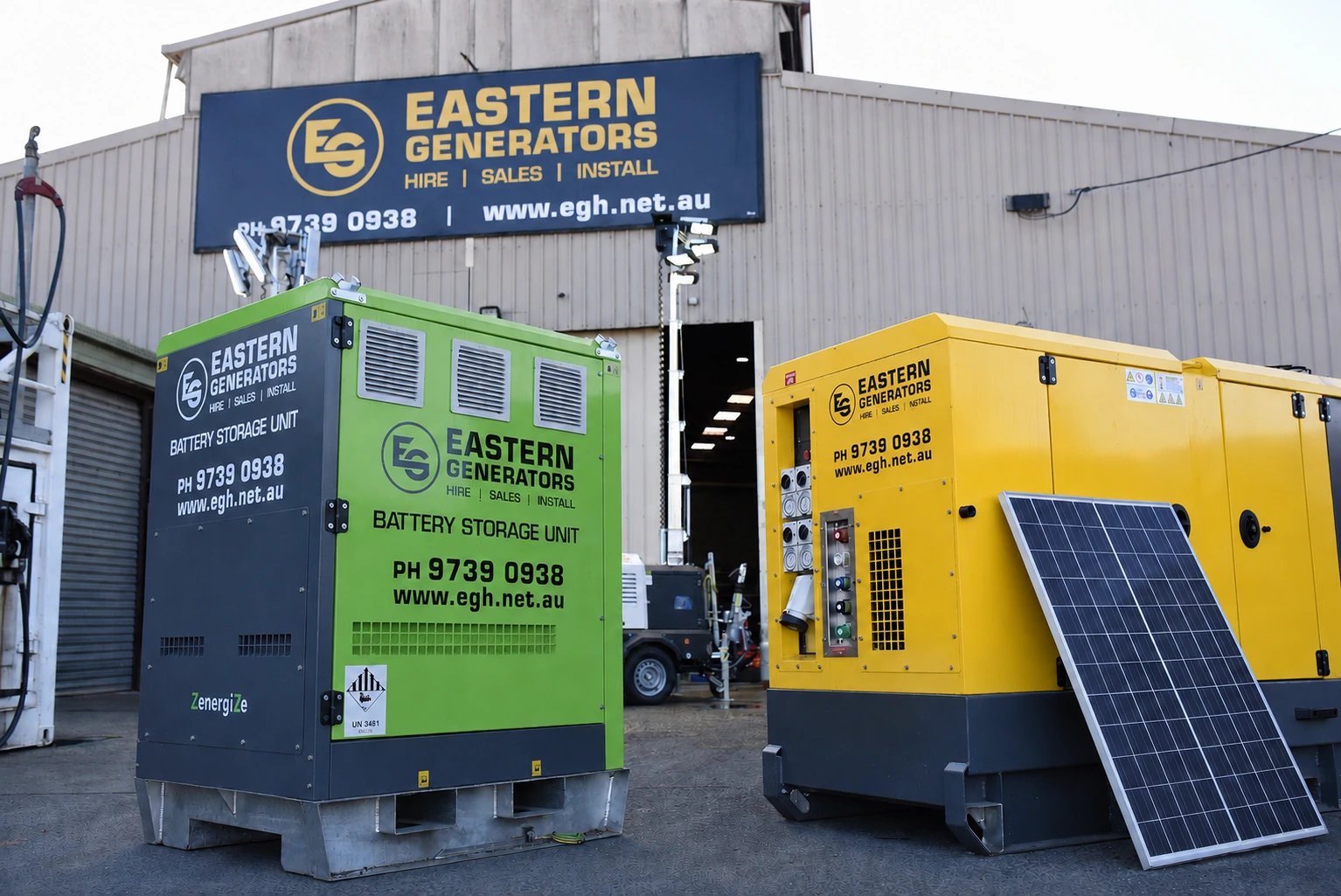
The old off-grid model was a generator running most of the day, which is noisy, thirsty and hard on the engine. The modern one is a hybrid: solar generating, a battery storing and smoothing, and a generator that exists to cover the gap.
That arrangement is better on nearly every measure. The generator runs a fraction of the hours, so fuel and servicing costs drop sharply. When it does run, it runs under proper load to recharge the battery, which as we cover in diesel longevity is exactly the duty a diesel prefers. And the site is quiet most of the time.
The generator does not disappear from the design, though. Sizing a battery and array to cover every conceivable dark week is enormously expensive. A modestly sized set covering the tail is far cheaper than the storage that would replace it.
Sizing the generator in a hybrid system
Its job is different from a standby set's, so the sizing logic differs too. It has to carry the site's load and charge the battery at a useful rate at the same time, without being so large that it spends its life lightly loaded.
- Cover the peak site load including the largest motor start, the same as any other sizing exercise.
- Add battery charging at a rate that refills the storage in a reasonable window.
- Keep it in its efficient band. Aim for 50 to 80 percent when running, not 20 percent.
- Automate it. On a remote site the set has to start on battery state of charge without anyone attending.
Fuel and servicing when it rarely runs
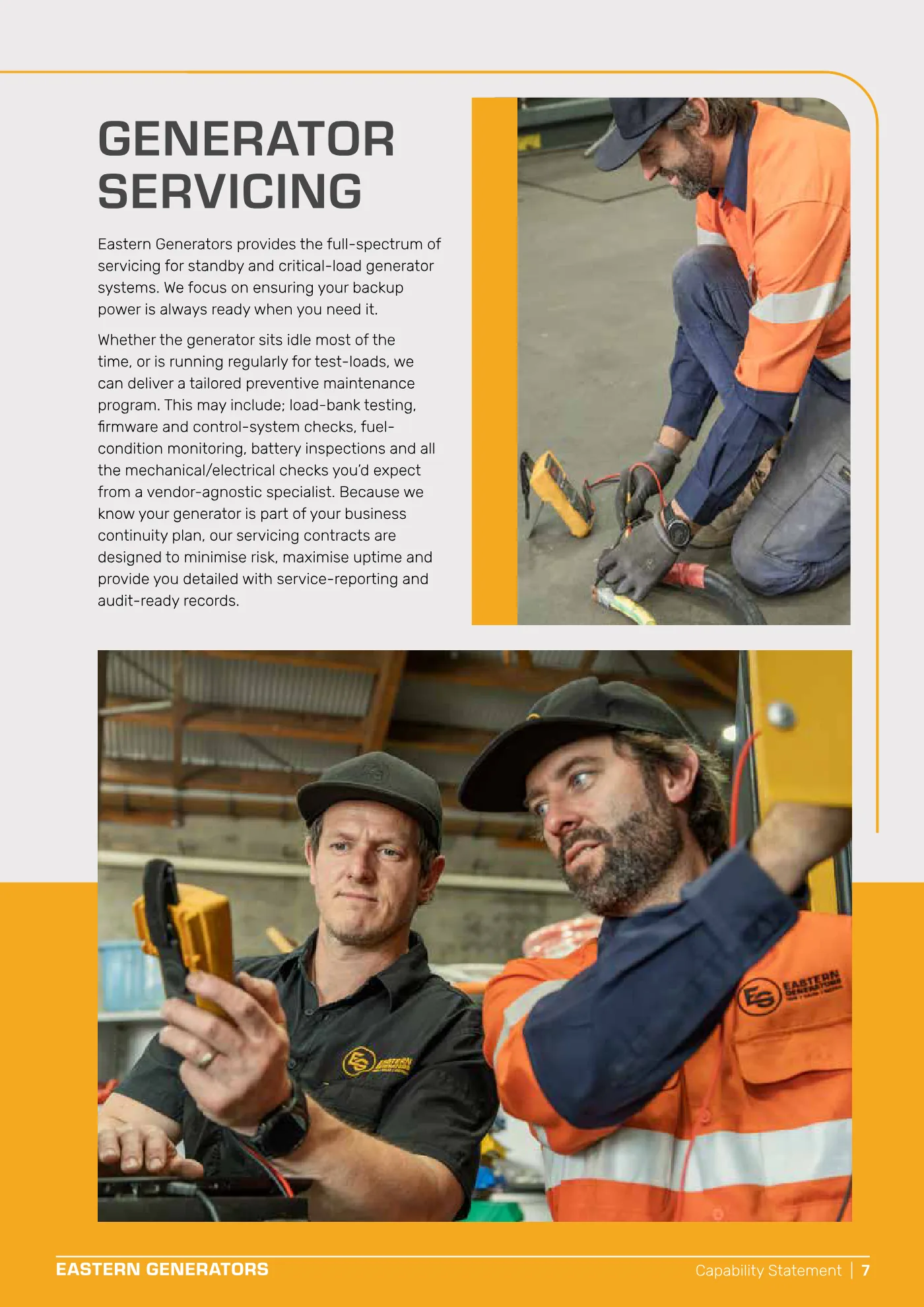
A generator that runs two hundred hours a year has an odd maintenance profile: low hours, but long periods sitting still. That combination is harder on fuel and batteries than continuous running is.
Stored diesel oxidises, takes on water and grows contamination at the fuel-water interface. Batteries self-discharge. So the schedule is driven by time as much as by hours, and fuel turnover has to be planned rather than assumed. Remote sites also need adequate bunded storage, because the refuelling truck is not coming weekly.
Access is the constraint people underestimate
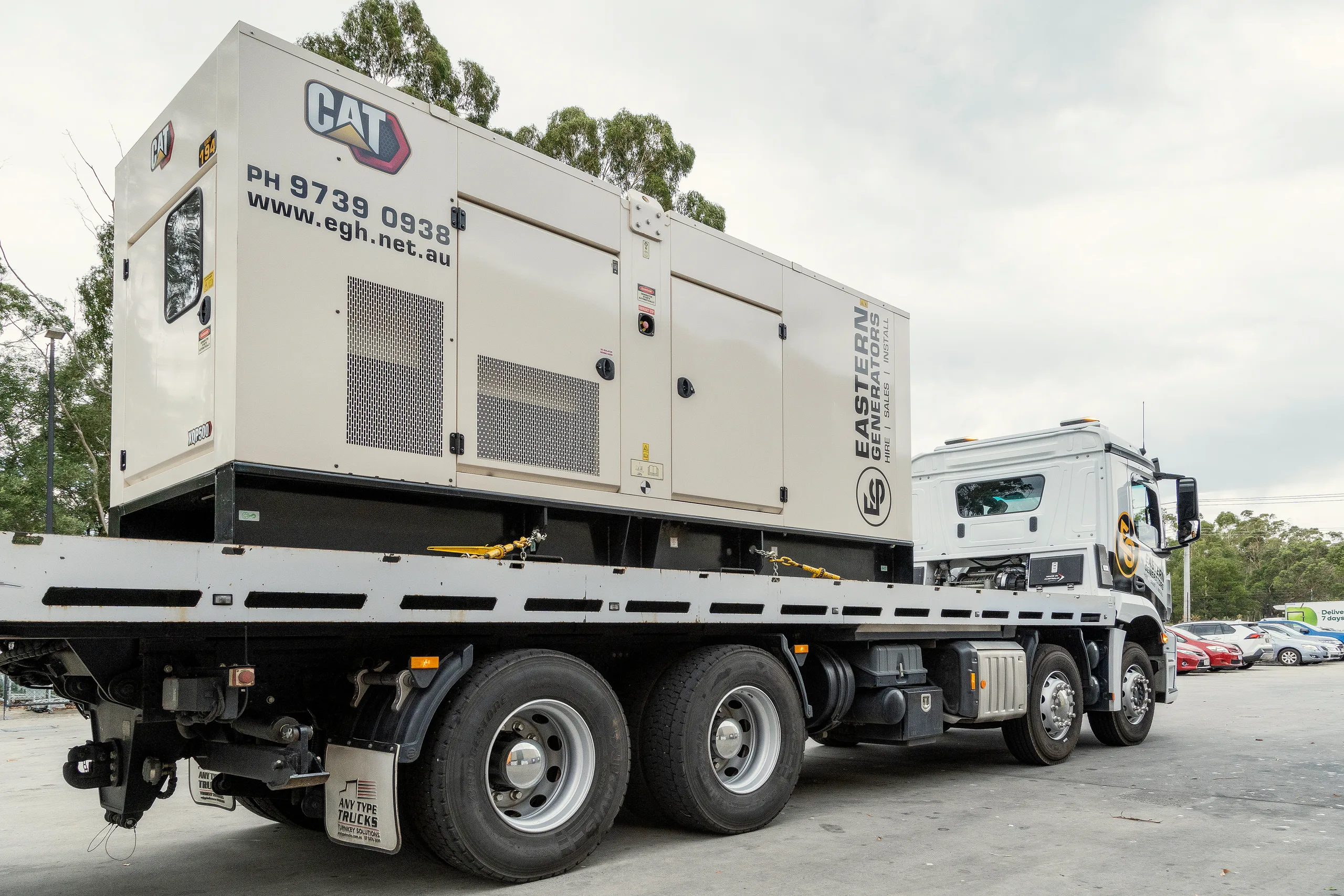
Every remote installation decision eventually comes back to access. How does the equipment get in? How does fuel get delivered, and by what vehicle? How does a technician reach it in five years, in winter, when it has failed?
Sites that are difficult to reach need more redundancy, more storage and more remote monitoring, because every attendance is expensive. Building that in at design time is much cheaper than discovering it later.
Where we fit
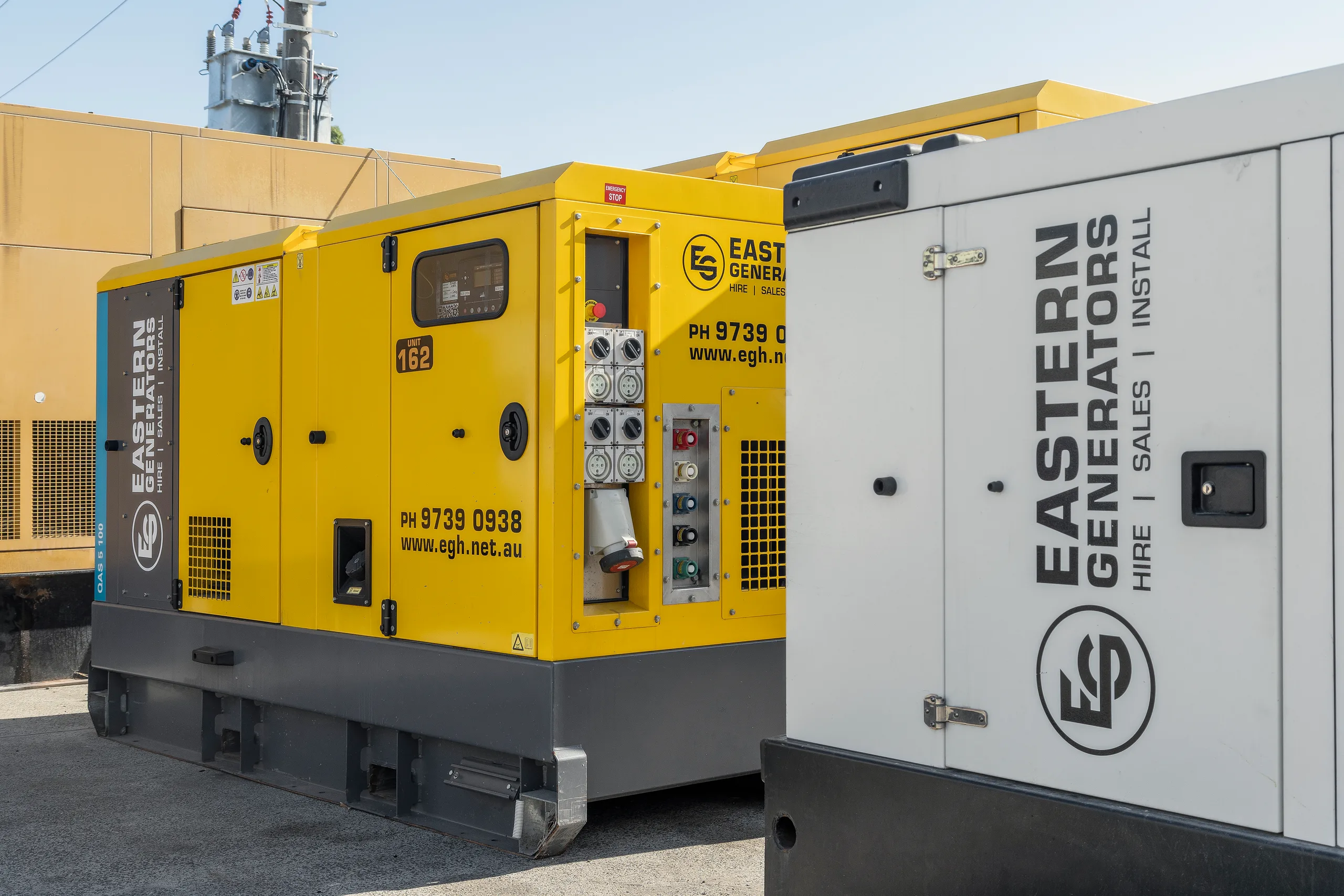
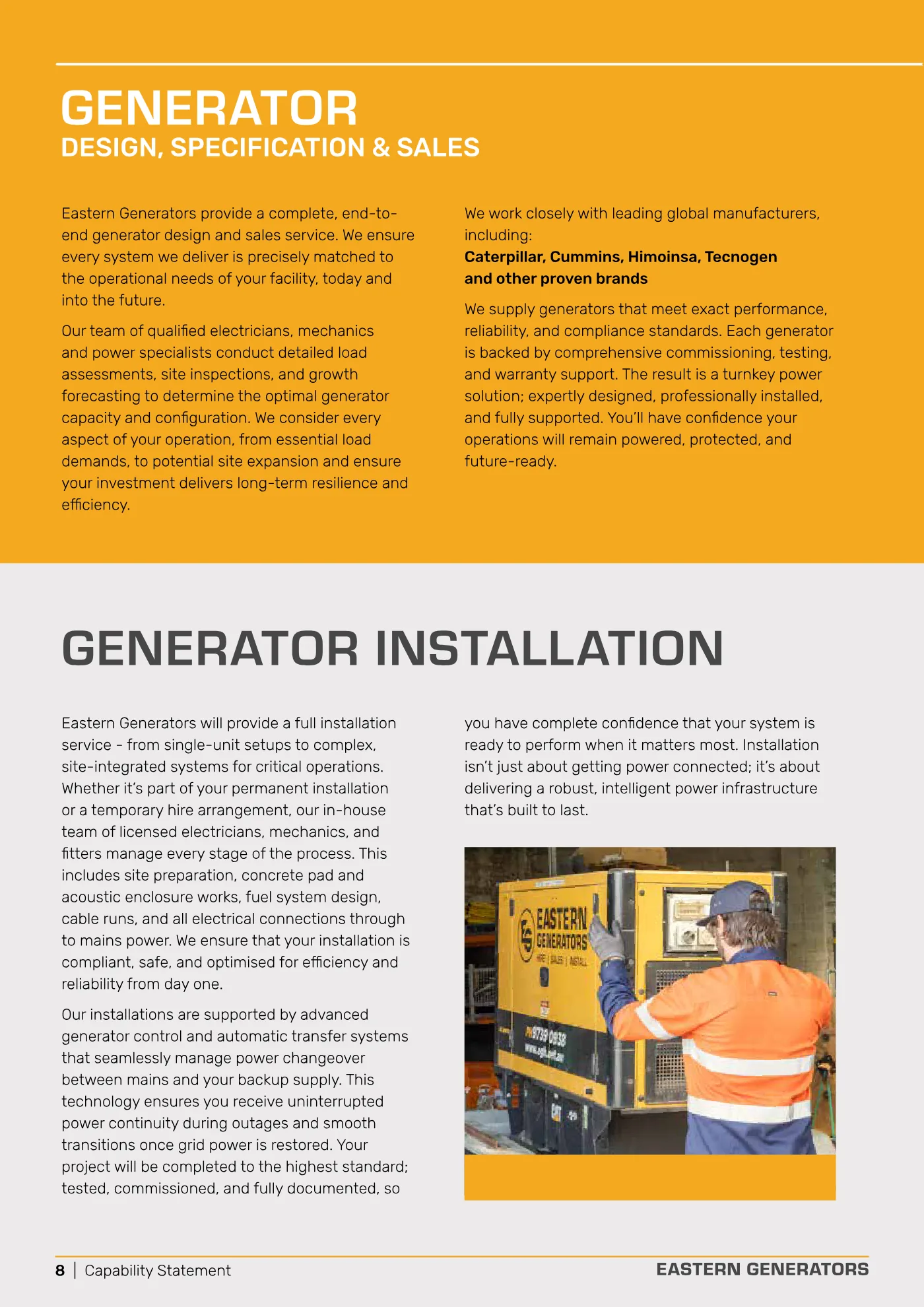
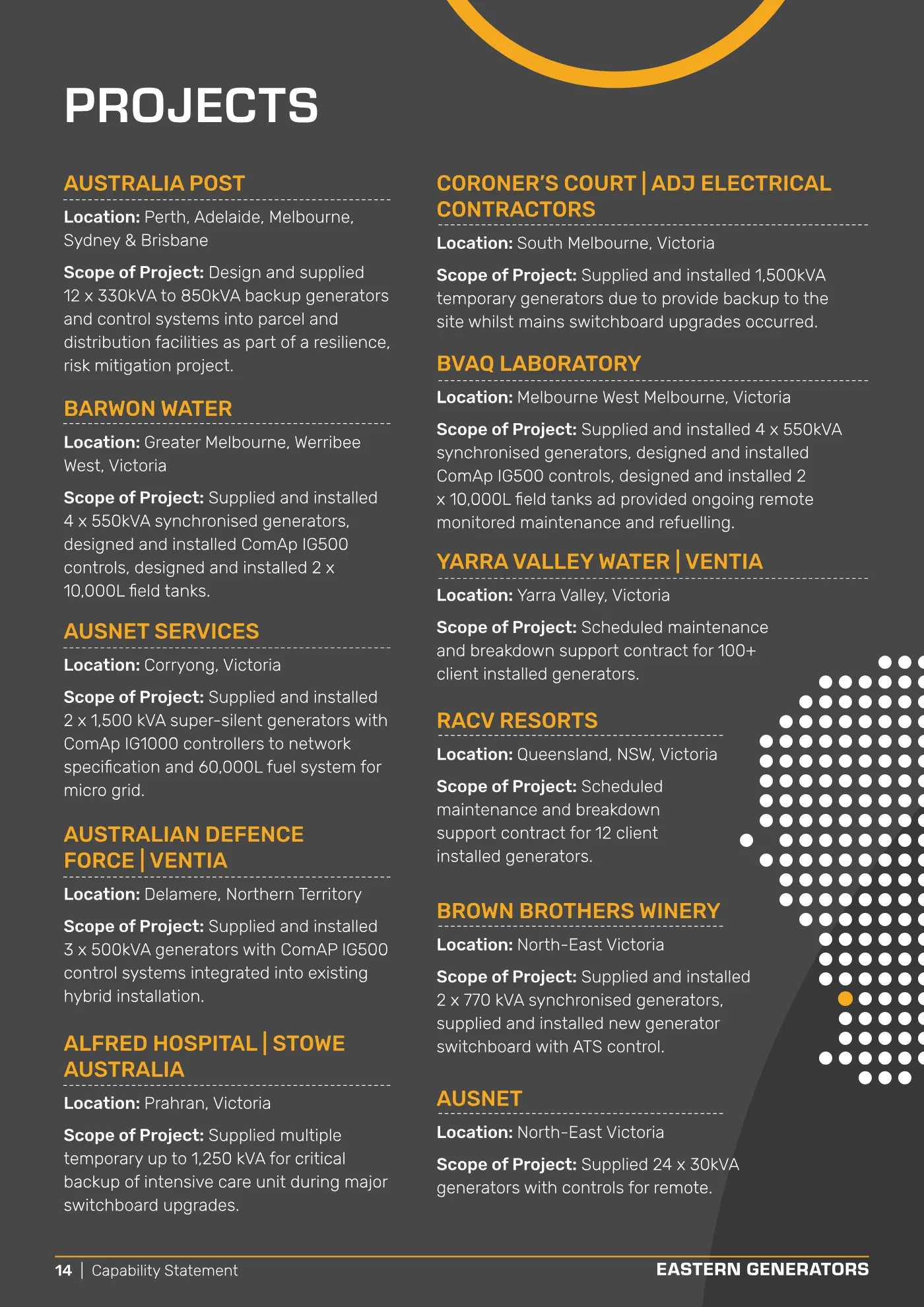
Our work in this space is at the commercial and infrastructure end rather than domestic. The clearest example is a micro grid for AusNet Services at Corryong in north-east Victoria: two 1,500kVA super-silent generators supplied and installed to network specification with ComAp IG1000 controllers, plus a 60,000L fuel system.
The principles are the same at any scale. Size for the worst case, let the generator do what a diesel is good at, plan the fuel, and design for the day somebody has to drive out and fix it. If you are working through an off-grid or hybrid project, tell us the site and we will help you size the generation side of it.