The real question is predictability
Duration is the wrong first question. A four-week job with a known load can be a clean hire. A four-year need with a load that changes every quarter can also be a hire, because you keep the ability to change size.
What actually decides it is how predictable the requirement is. If you know exactly what has to run, exactly where, and that it will not change, ownership starts to make sense. If any of those are moving, hire keeps your options open and moves the risk onto us.
When hire wins
- Projects with an end date. Construction, events, shutdowns, fit-outs. The power need finishes when the job does.
- Uncertain load. Early-stage sites where the equipment schedule is still moving. Swap sizes instead of guessing.
- Peak and outage cover. A few weeks a year does not justify a capital purchase and a maintenance program.
- No appetite for the overhead. Hire hands the servicing, compliance, testing, fuel and breakdown risk to the supplier.
- Cash flow. An operating cost against the job, rather than capital tied up in an asset that sits idle between uses.
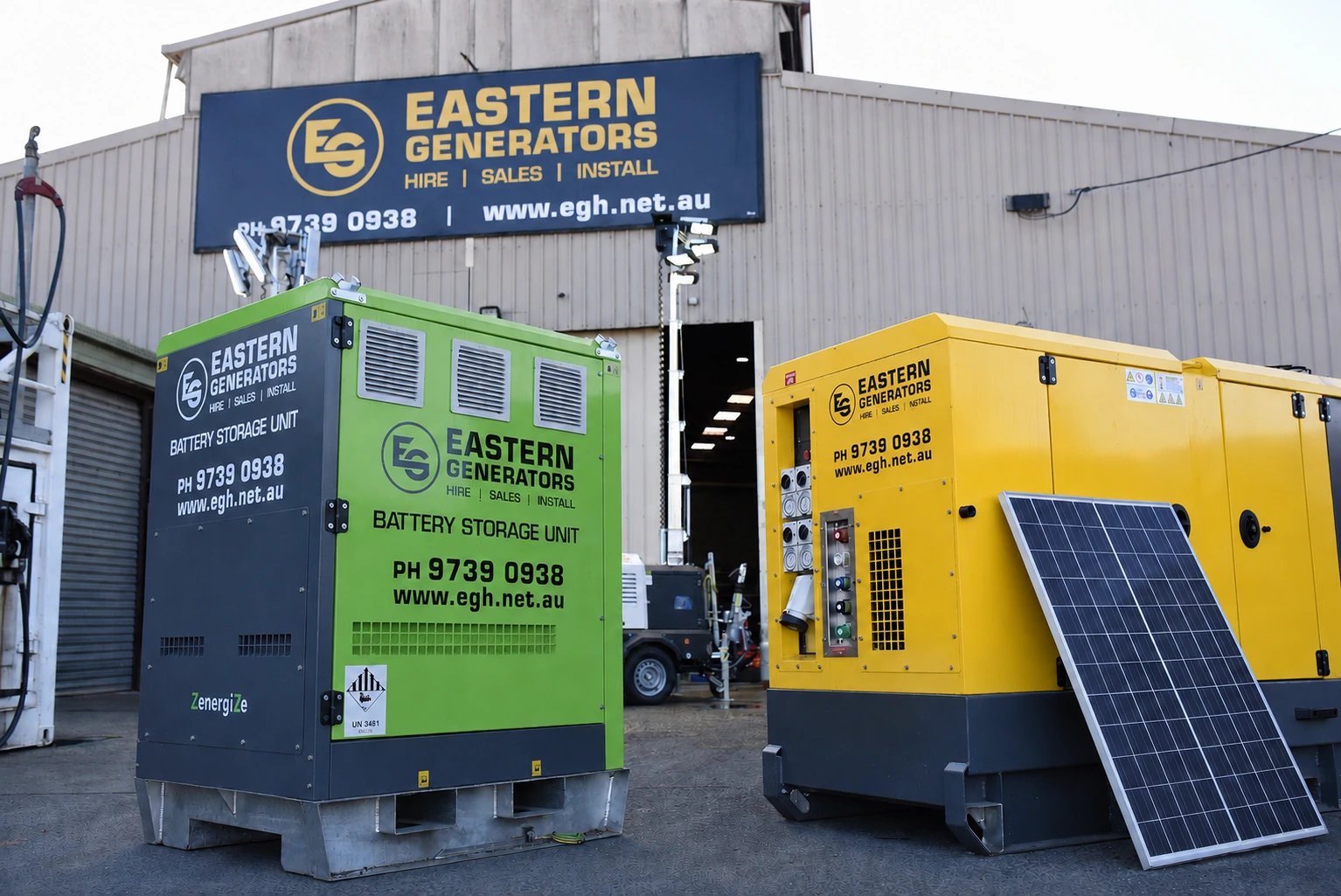
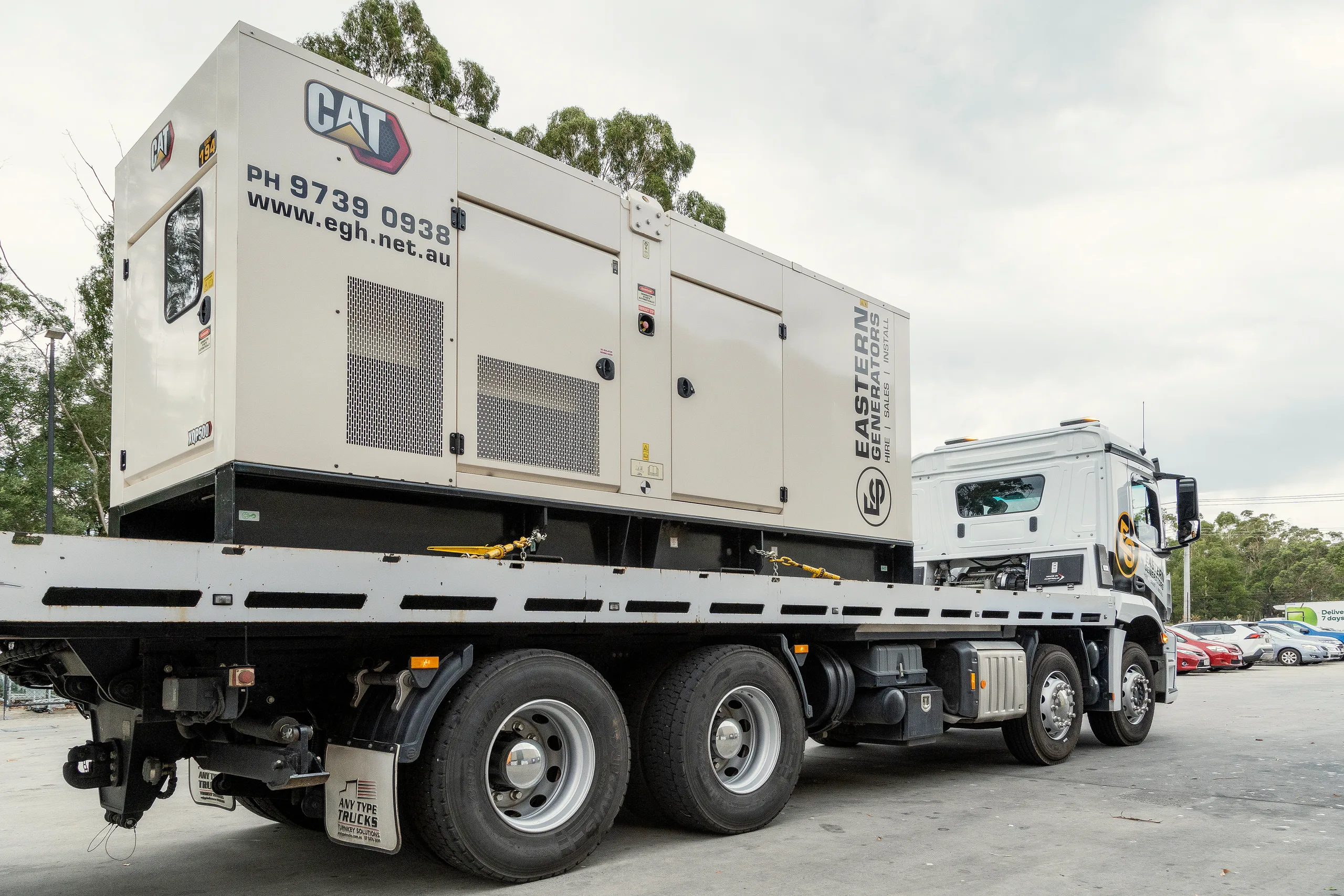
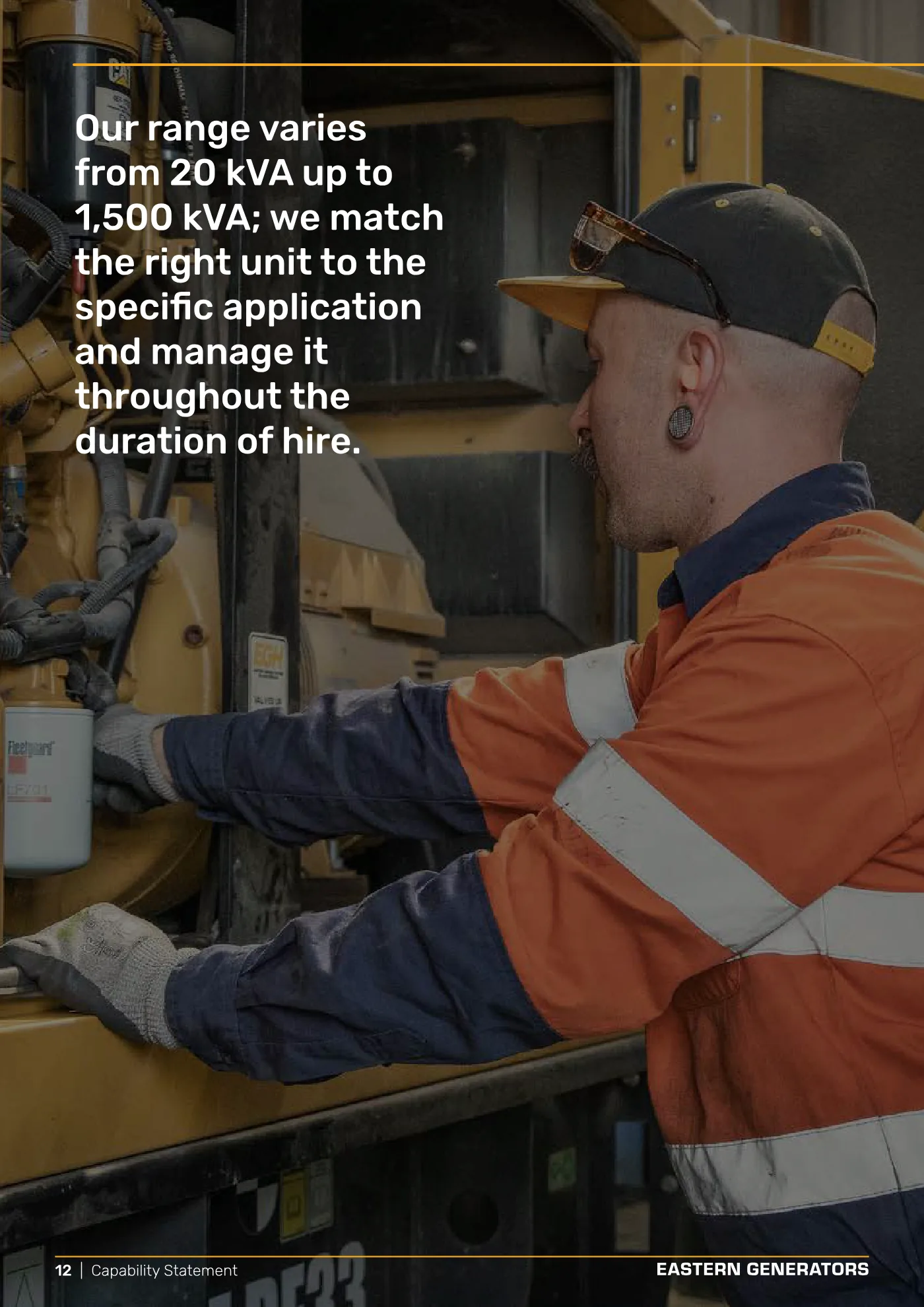
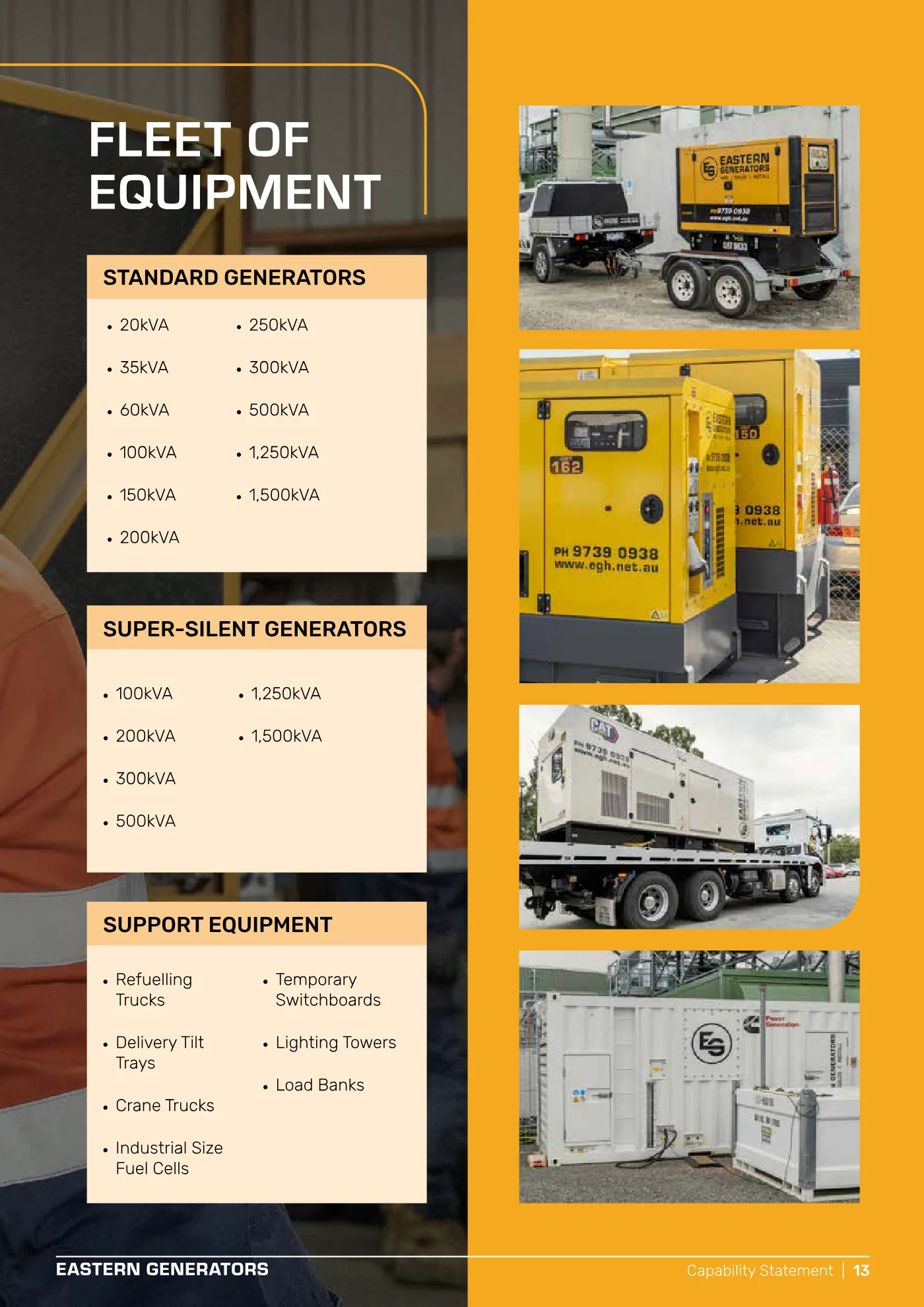
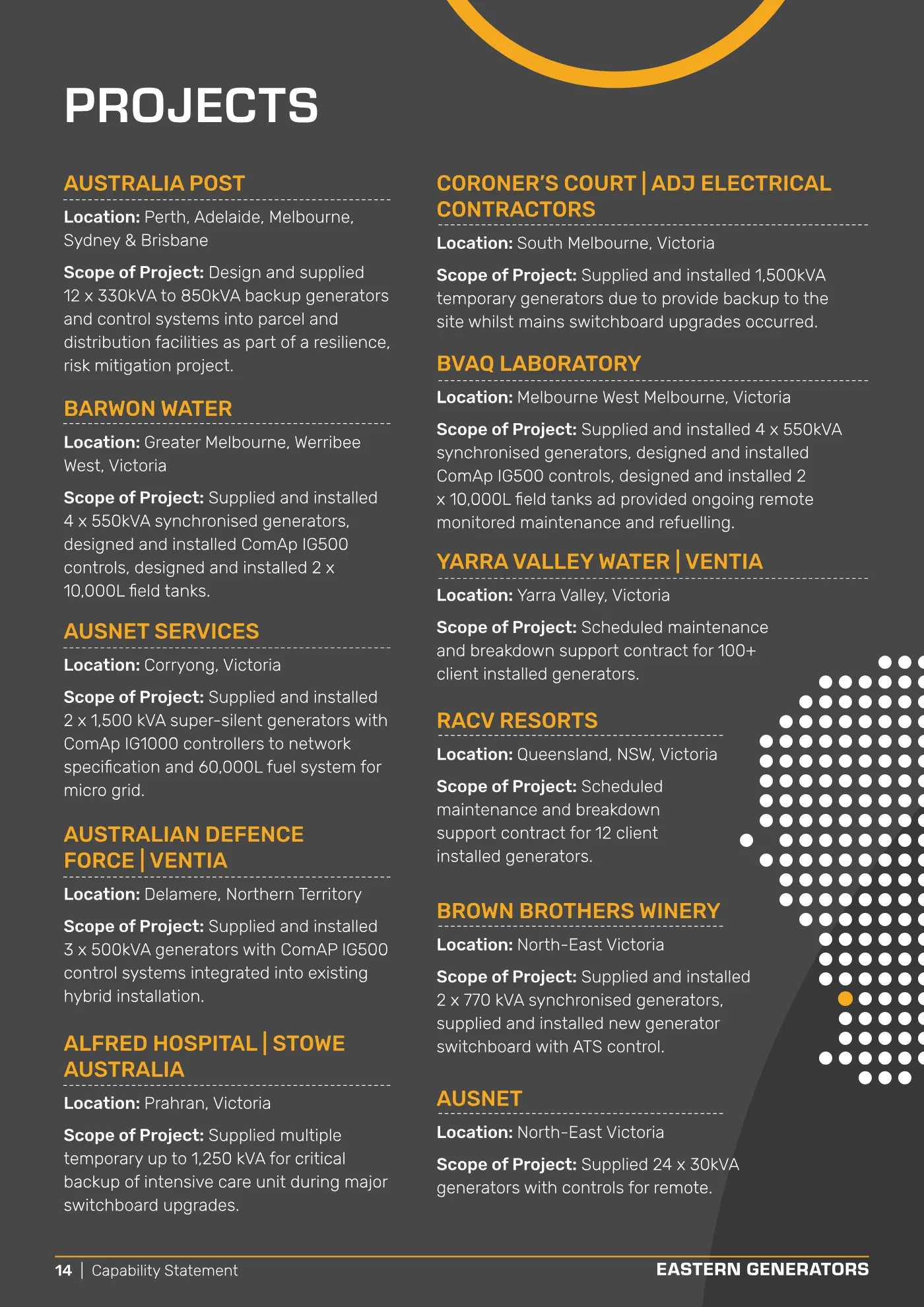
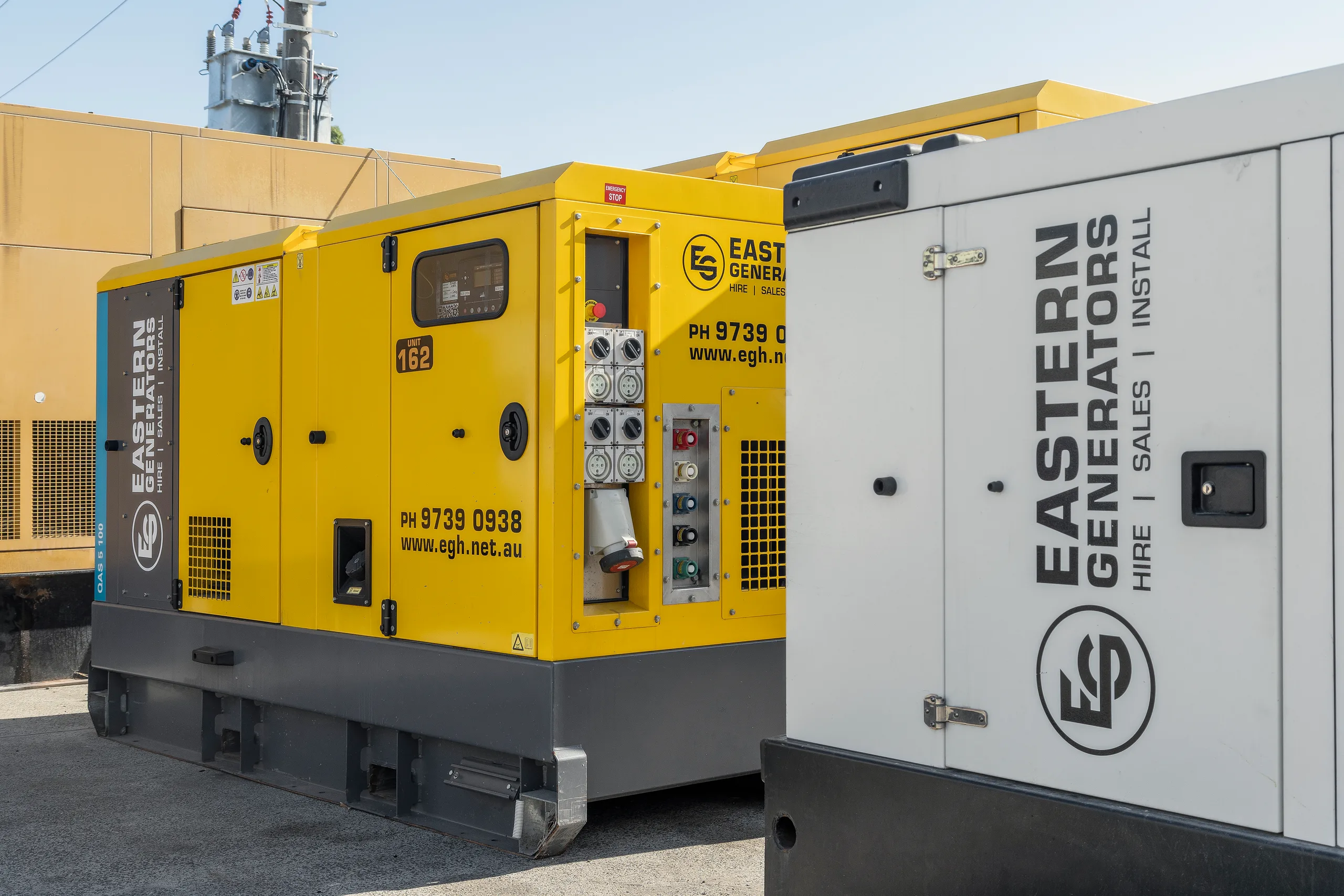
Hire also gives you something ownership cannot: the right machine for this job rather than the machine you happen to own. Our hire fleet runs 20kVA – 1500kVA in standard and super-silent builds, so the set matches the site.
When buying wins
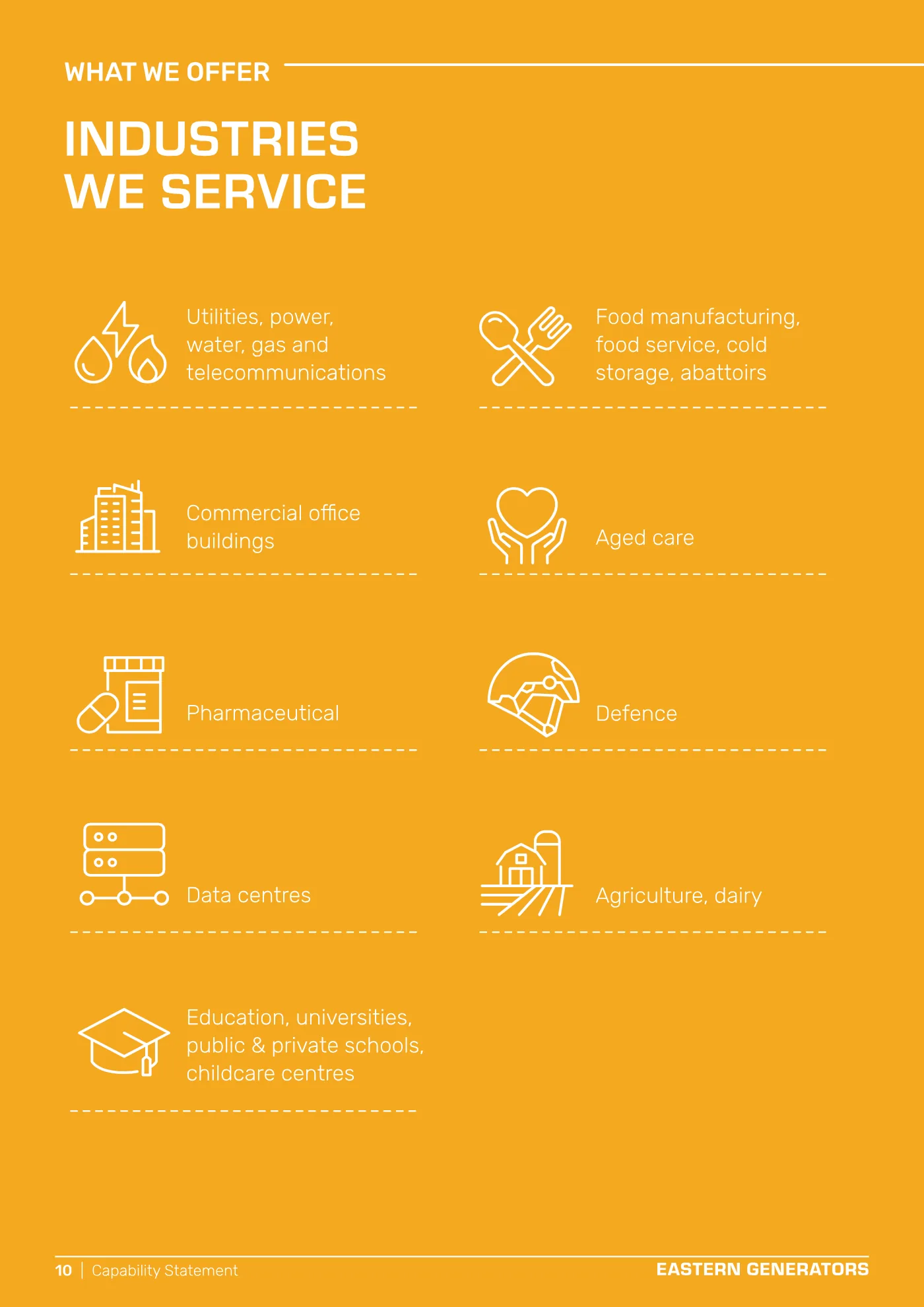
- Permanent standby. A hospital wing, data room, aged care facility or process plant that must have power available every hour of every year.
- A stable, known load. The requirement has been the same for years and will stay the same.
- Compliance or contract obligations. Where a documented, installed, tested standby supply is part of your licence to operate.
- Long-run economics. Past a certain continuous duration, the hire rate on a permanent need stops making sense.
- Site integration. Where the set needs to be built into the switchboard, the fuel system and the building management system.
If that is you, the useful conversation is about specification and installation rather than rate. We sell new and used sets and design, install and commission them.
The ownership costs people forget
Purchase comparisons usually stop at the capital cost of the machine. The costs that follow it are the ones that decide whether the decision was right.
- Installation. Civil works, the slab, the changeover switch, cabling, exhaust, acoustics and commissioning.
- Scheduled servicing. A standby set that sits idle still needs a maintenance program, and arguably needs it more.
- Load-bank testing. A monthly no-load start proves the engine turns over. It proves nothing about capacity under real load.
- Fuel. Diesel degrades in storage. Stored fuel needs turning over, testing and sometimes polishing.
- Batteries and consumables. The single most common reason a standby generator fails to start is its battery.
- Depreciation. An asset on your books whether it ran this year or not.
None of that is an argument against buying. It is an argument for counting it. A generator that is bought and then not maintained is a more expensive way of having no power than not buying one at all.
Why a lot of sites end up with both
The most common mature answer we see is not one or the other. It is an owned, installed standby set covering the critical load, on a maintenance program, plus a hire relationship for the things ownership cannot cover: capacity above the installed set, cover while the installed set is being serviced, and the outage that turns out to be bigger than anyone planned for.
We do both, and we service what is on your site whoever supplied it, so the advice does not change depending on which one earns us more.