What a lighting tower really is
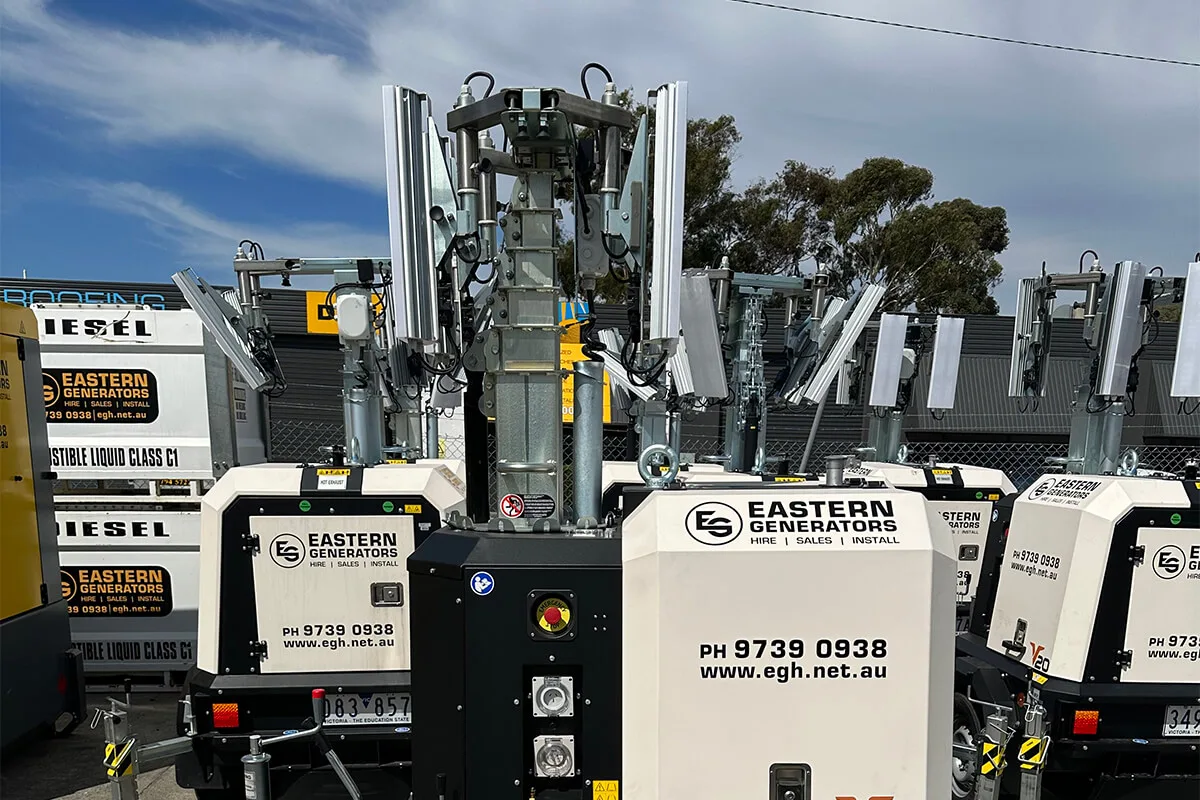
It helps to think of a lighting tower as a small mobile generator that happens to have a mast bolted to it. That framing explains why they solve problems that have nothing to do with illumination: they arrive self-contained, they need no connection to anything, and most will run for many hours on a tank.
Once you see them that way, the range of jobs they suit gets much wider than the roadside.
Where they turn up
- Emergency and recovery work. Storm response, flood recovery and utility repairs, where crews need to work through the night somewhere with no supply at all.
- Events. Car parks, camping areas, back-of-house, egress routes and load-in and load-out after dark, which is when most of the risk sits.
- Security and asset protection. Yards, laydown areas and remote plant, where lighting is the cheapest deterrent there is.
- Agriculture and viticulture. Harvest and vintage work that runs through the night on a seasonal deadline.
- Film and production. Base camps, unit parking and crew areas, where a quiet unit matters as much as a bright one.
- Sport and community. Temporary cover while permanent field lighting is out of service.
- Industrial shutdowns. Inside plants and tank farms where fixed lighting is isolated along with everything else.
What to check before you book one
Towers are simple to hire and easy to get subtly wrong. The five things worth confirming.
- Coverage, not brightness. The useful question is the area lit to a usable level, which depends on mast height and head aim as much as raw output.
- Run time. Hours per tank at your duty cycle. On a multi-night job this decides how often somebody has to attend, and that is usually the real cost.
- Wind rating. Every mast has a maximum wind speed at full extension. Exposed and coastal sites need this checked rather than assumed.
- Ground and setup. Outriggers need firm, level ground. Soft or sloping ground means packing, or a different position.
- Spare capacity. If you also want to run tools or a site shed off the tower, say so up front so the unit is specified for it.
LED changed the economics
The shift from metal halide to LED heads has changed which jobs a tower suits. LED units draw substantially less power for comparable useful light, which means a smaller engine, longer run time on the same tank, and less noise on sites where that matters.
They also restrike instantly. Metal halide needs to cool before it will relight, which is a genuine safety issue if a unit trips mid-shift on a site people are moving through.
Getting them to site
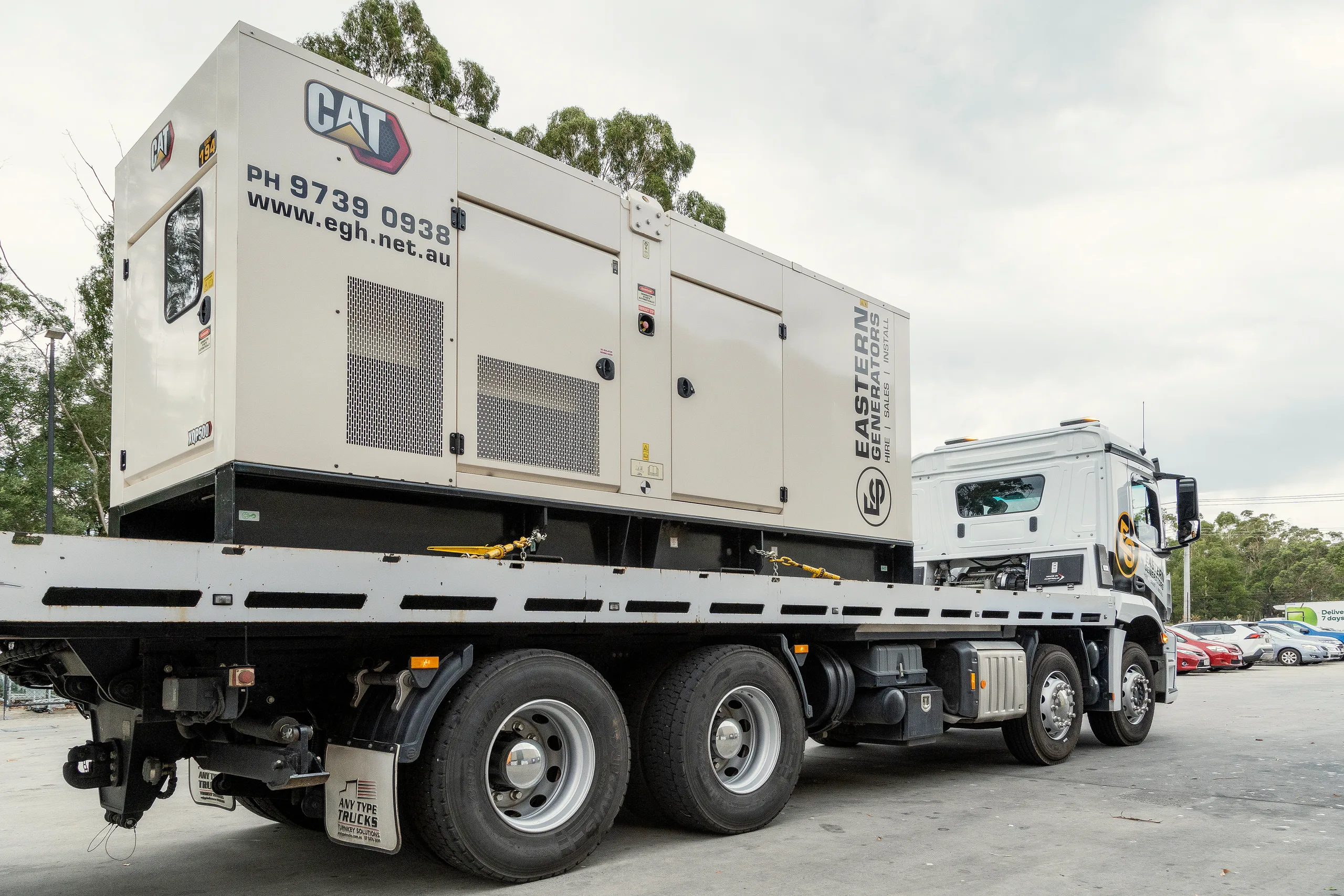
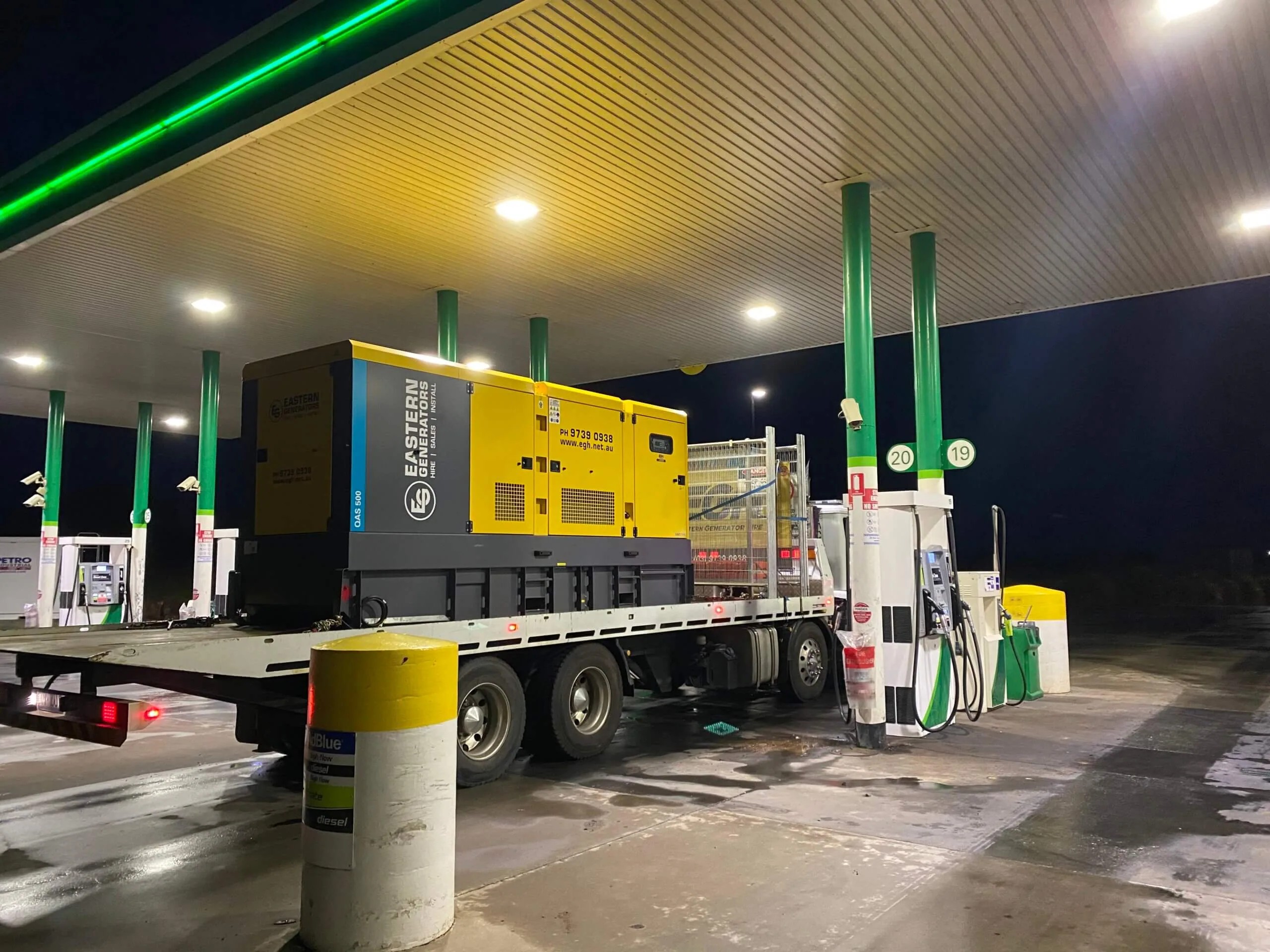
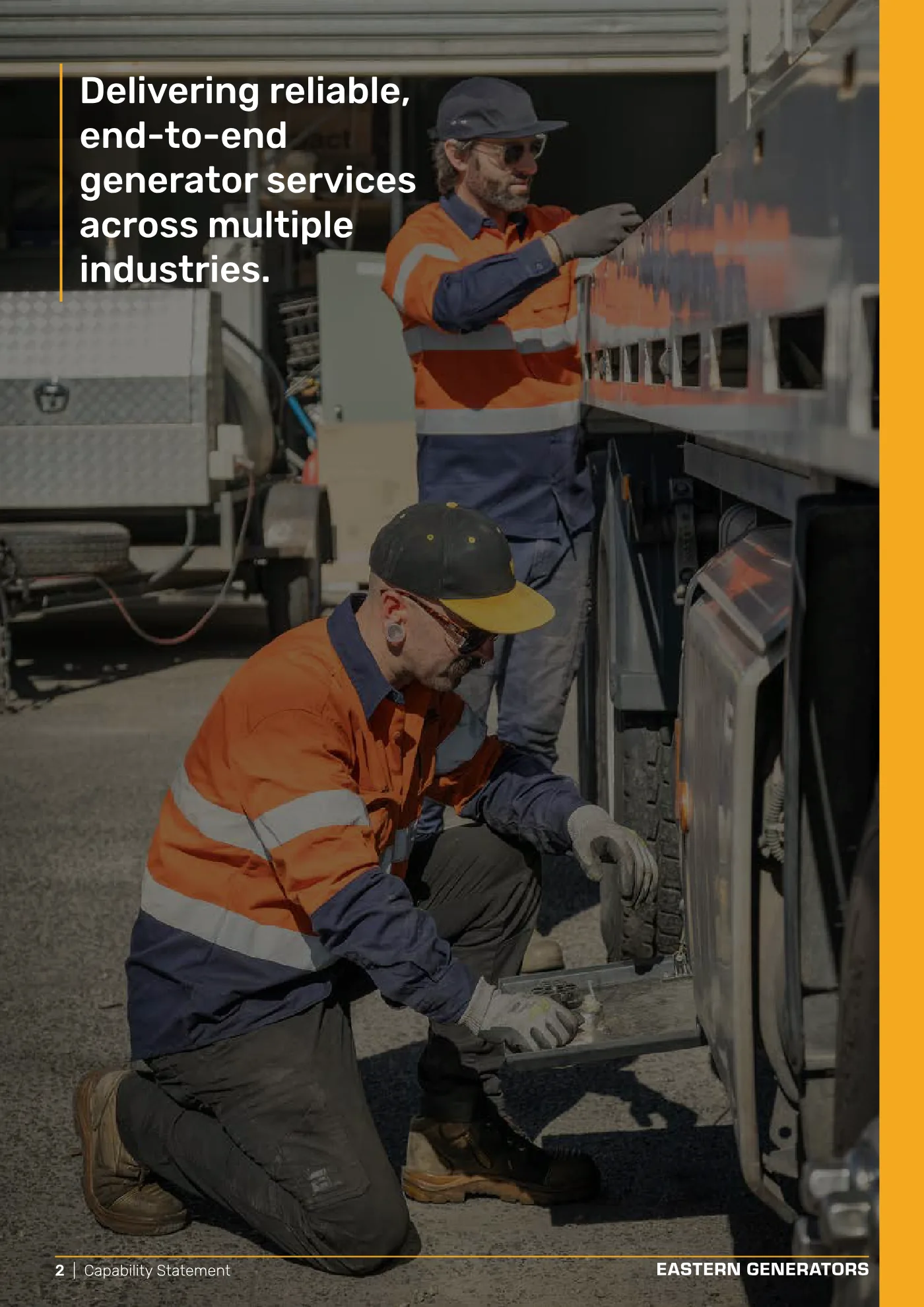
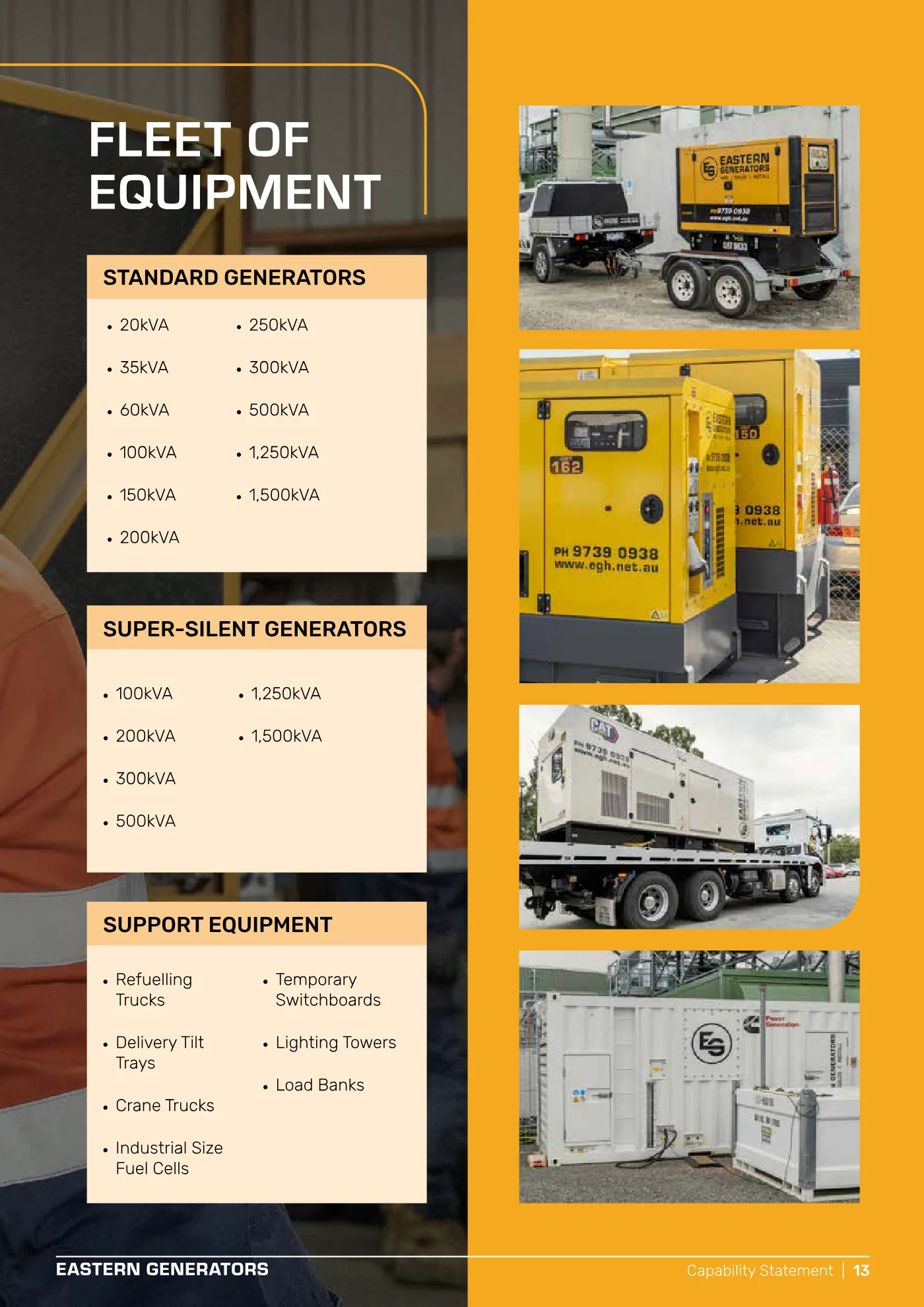
We hire lighting towers across Melbourne and greater Victoria, delivered on our own trucks alongside the rest of the fleet, which is usually the practical point: one supplier, one delivery, one number to ring when something needs attention at 11pm.
Details and specifications are on our lighting tower hire page, and if you are lighting an area rather than a point, send us the site dimensions and we will work out how many units it takes.