The generator is one line on the list
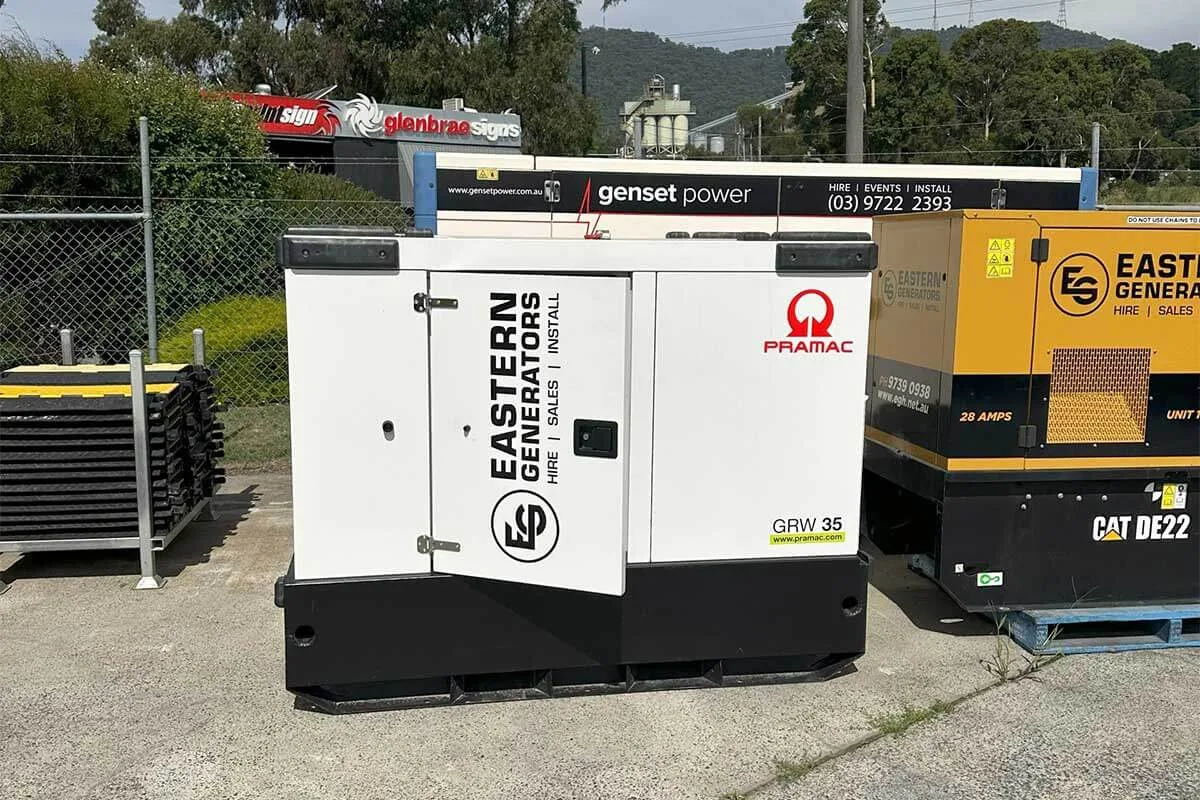
When a site loses power, the thing everybody pictures is the generator. In practice, the generator is the item we are least worried about. It is a known machine with a known rating that either starts or does not.
What decides whether the site actually runs is everything between that machine and the equipment: how the power gets there, how it is divided up, how it is protected, and how the fuel keeps arriving. Get any of that wrong and you have a running generator and a dark building.
Load cable and connection
Cable is sized for two things: the current it carries, and the distance it carries it over. The second is the one that gets forgotten. Volt drop over a long run means equipment at the far end sees less voltage than it should, which makes motors run hot and electronics behave strangely.
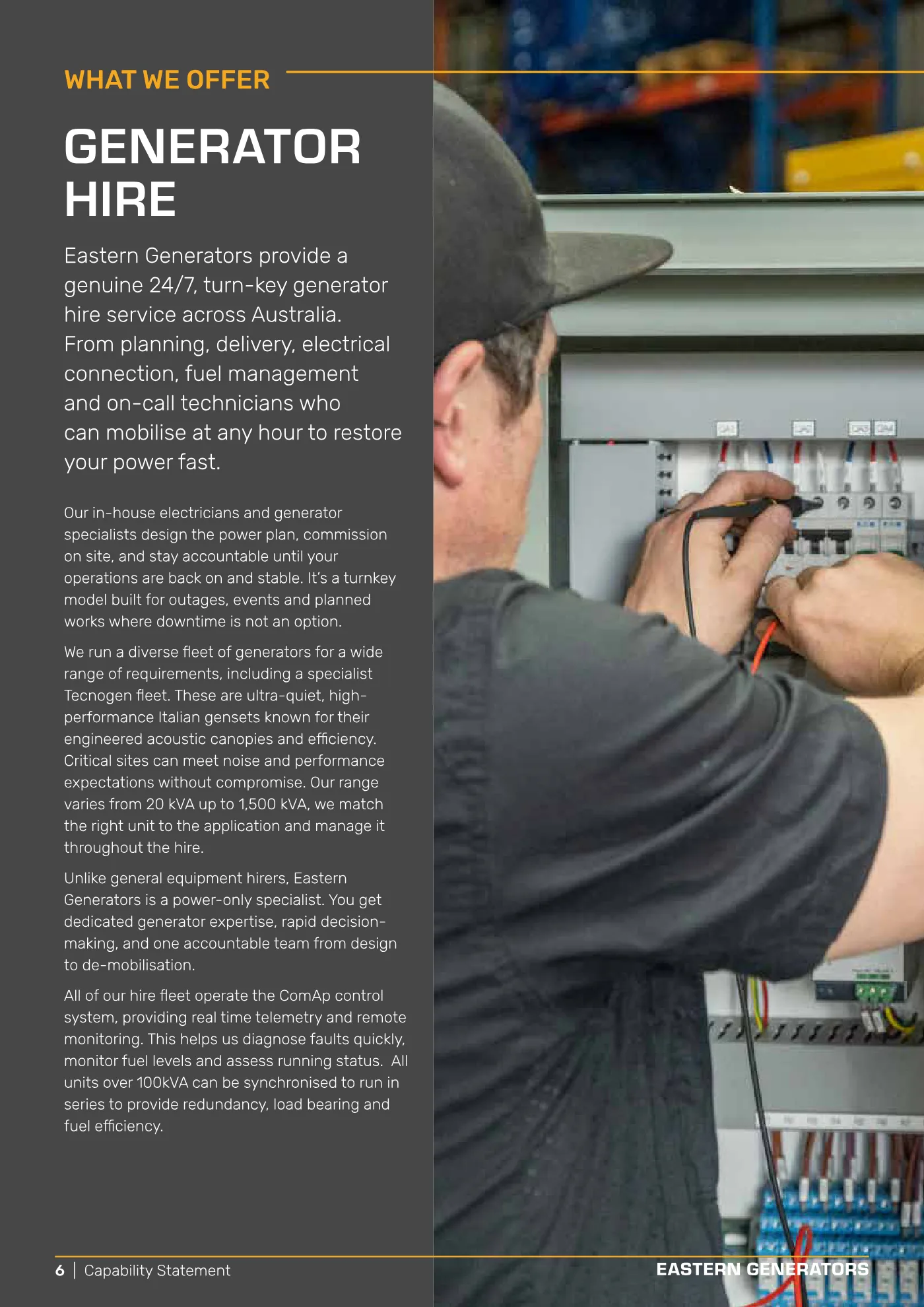
Termination matters as much as the cable. A temporary connection at a main switchboard is licensed electrical work, made by an electrician, with the right lugs, torque and protection. Where a site has a generator inlet or changeover switch already installed, connection is quicker and cleaner, which is a good argument for fitting one before you need it.
Leads crossing a walkway or a vehicle route need ramps or covers. That is not a nicety; a damaged lead on a wet site is the most likely way somebody gets hurt during an outage.
Distribution boards and cubes
A generator provides one supply. A site needs many. Distribution boards, spider boxes and power cubes take that single supply and divide it into protected circuits with the right outlets for what is being run.
Doing this properly gives you two things you do not get by daisy-chaining leads: overload and earth-fault protection on each circuit, so a fault at one point does not take the whole site down, and outlets that physically match the equipment so nobody improvises an adaptor.
Single phase and three phase
Most commercial and industrial equipment of any size is three phase. Most small tools, lighting and office equipment are single phase. A temporary supply usually has to deliver both from the same set.
Two things to get right. First, single-phase loads taken off a three-phase supply should be spread reasonably evenly across the phases, because a badly unbalanced load makes the alternator work harder and can trip protection while the total load still looks modest. Second, phase rotation matters for motors: connected the wrong way round, a three-phase motor runs backwards, which ranges from inconvenient to destructive depending on what it is driving.
Fuel storage on site
A generator's own tank covers a shift or a day. Anything longer needs storage, and storage brings its own requirements.
- Bunding to contain a spill, sized for the volume stored.
- Placement clear of drains, waterways and ignition sources, with access for a refuelling truck.
- Monitoring so somebody knows the level before it becomes urgent.
- Scheduled refuelling rather than reactive, which is how we run it from our own trucks.
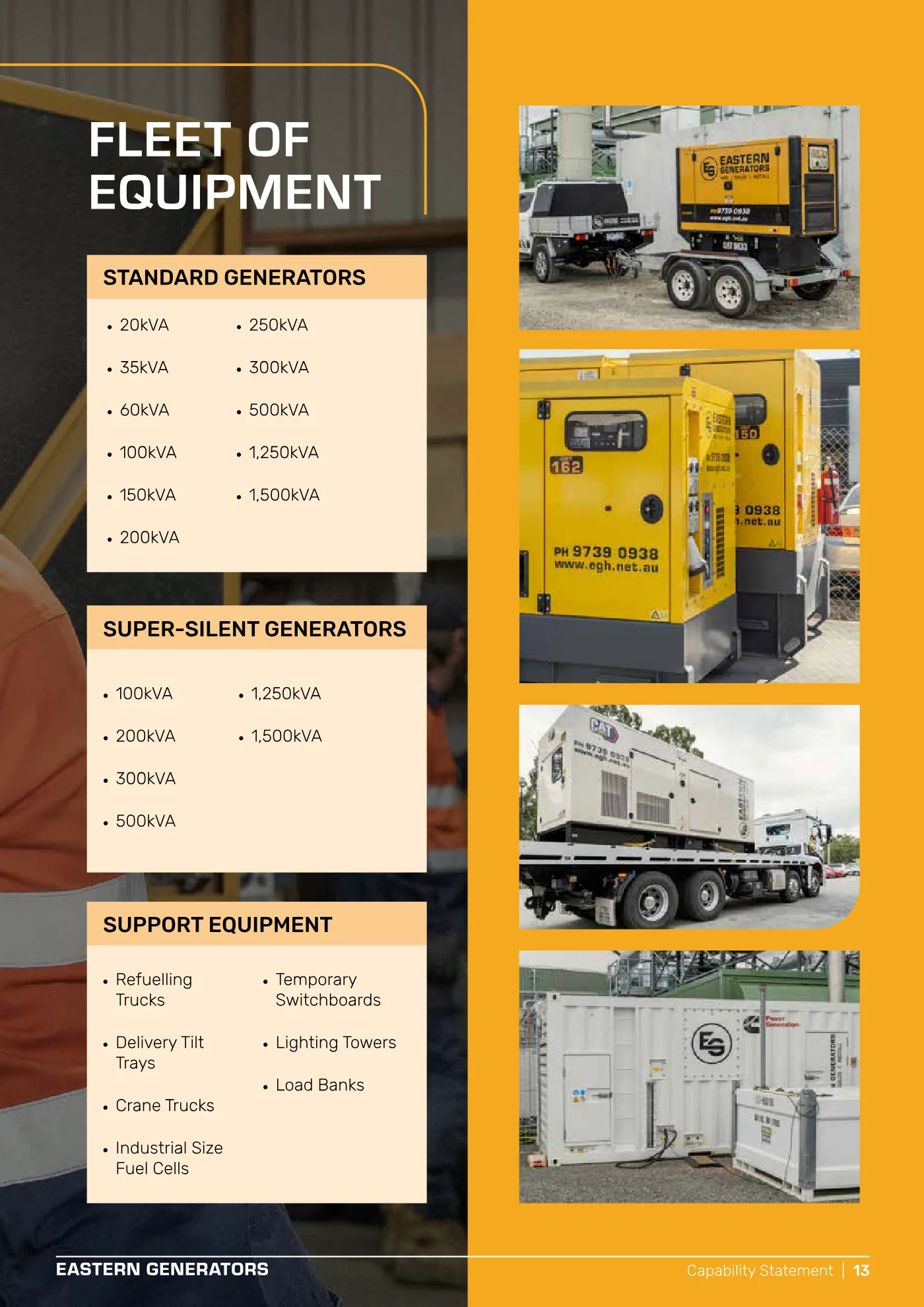
We supply bunded fuel cells up to 60,000L, which is what makes a multi-week run practical rather than a daily logistics exercise.
A temporary installation is still an installation
The word temporary does a lot of quiet damage on job sites. A generator connected for three weeks is an electrical installation for three weeks, with the same obligations around protection, earthing, isolation and testing as a permanent one.
The specific hazards worth naming: back-feed into the network if the changeover arrangement is wrong, exhaust fumes where a set has been placed too close to an opening, and earthing that was assumed rather than designed for the particular arrangement. All three are avoided by having the connection made by people who do it every day.
Our hire packages include the cable, distribution and accessories alongside the set, connected by our own electricians, because splitting that across suppliers is where the gaps appear.