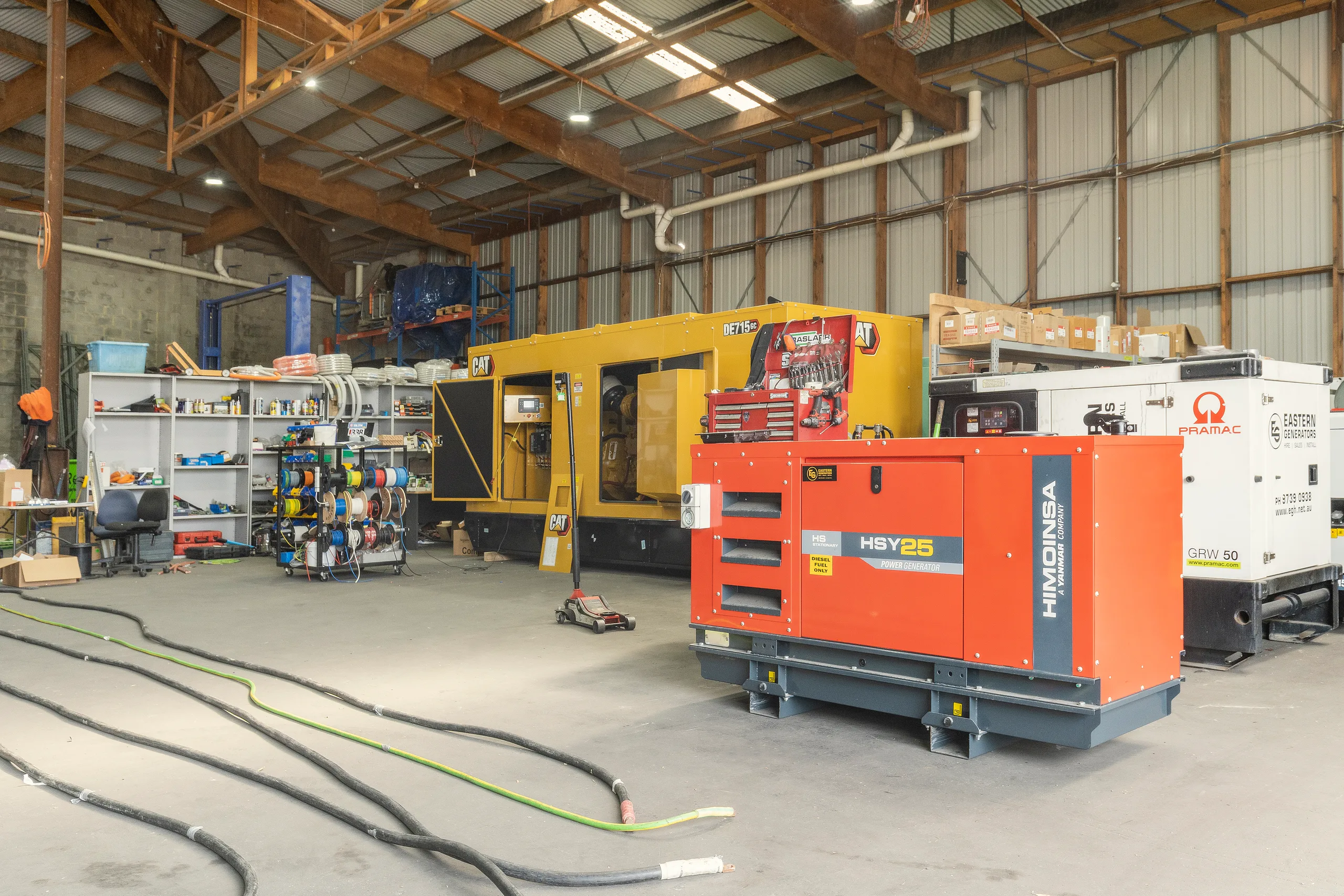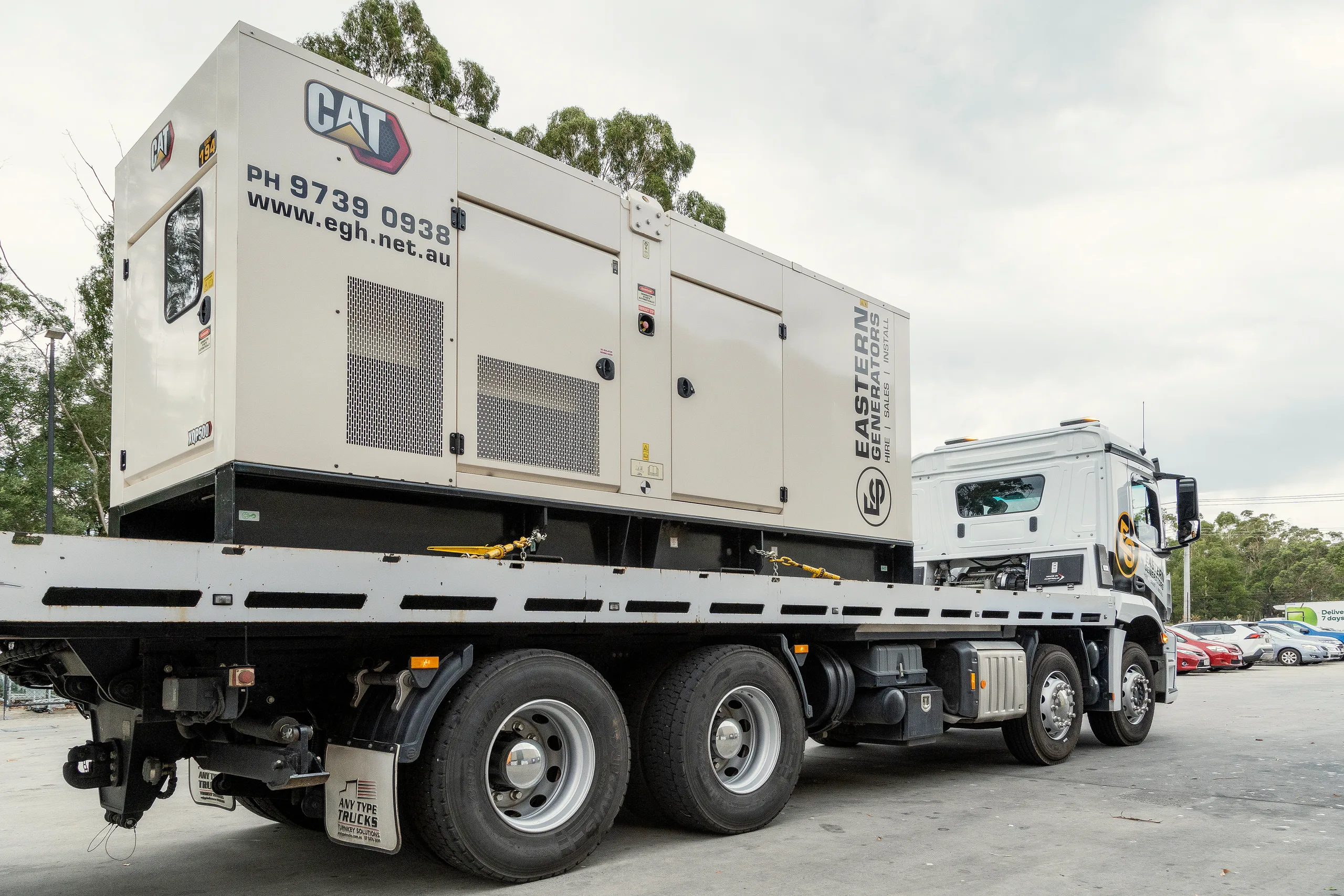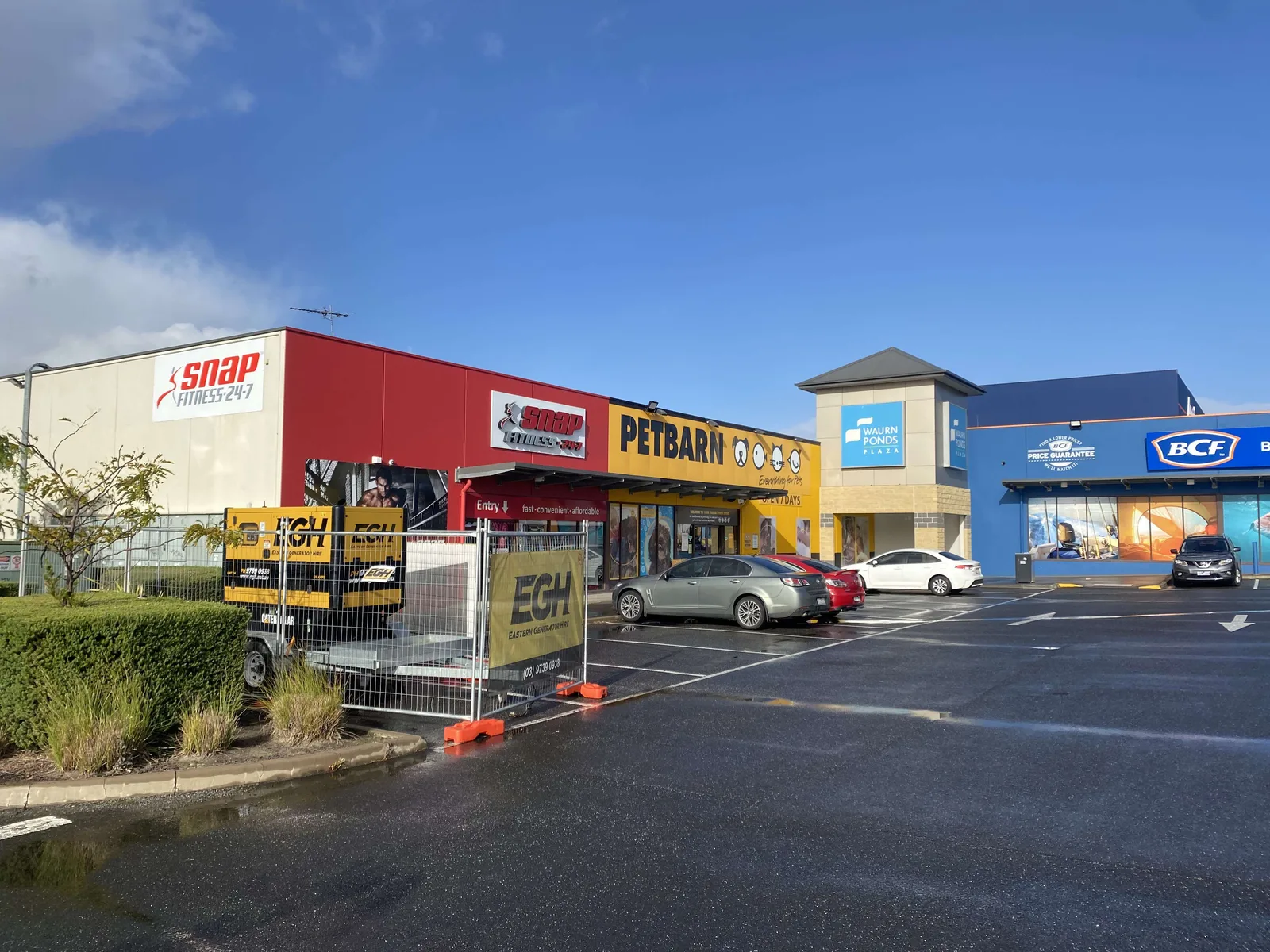
Two machines, two different problems
The useful distinction is not physical size. It is what the generator connects to.
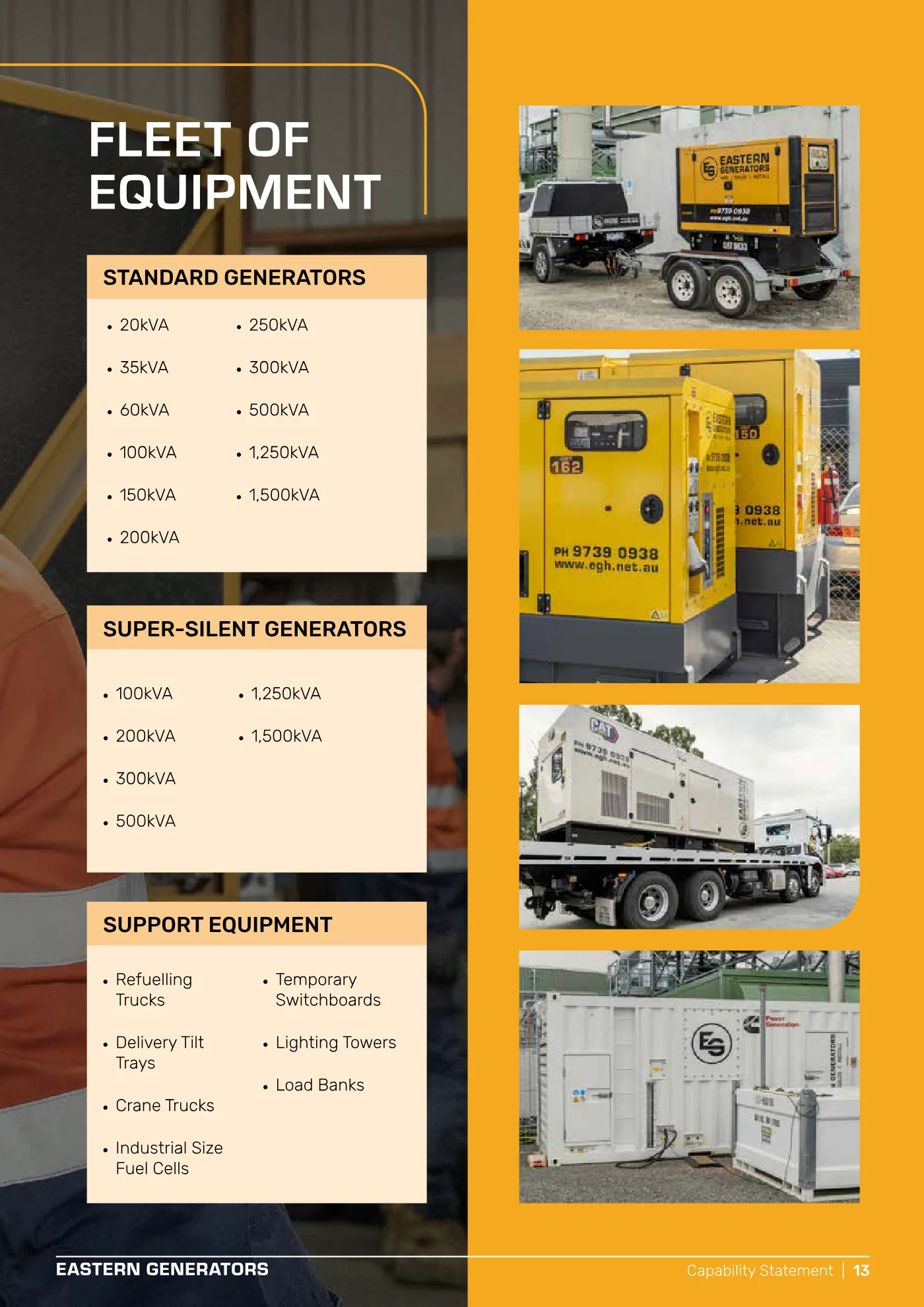
A portable generator has its own outlets. You take it to the work, plug equipment into it with suitable leads, and take it away again. It is a mobile power source.
A standby generator is wired into a building's electrical installation through a changeover switch. It sits in one place, monitors the mains, and takes over when the supply fails. It is infrastructure.
Almost every mistake in this decision comes from treating the first as a cheap version of the second.
What portable sets are genuinely good at
- Tools and equipment away from supply. Remote work, maintenance jobs, sites before the mains are connected.
- Moving between locations. One machine covering several jobs in a week.
- Small, defined loads. A few appliances or tools whose total draw you actually know.
- Low purchase cost and no installation. It works the day it arrives.
Within that brief, a portable set is the right tool and nothing else comes close on cost.
Where portables run out
The limits arrive faster than people expect.
- They do not power a building. Not legally and not safely, without a changeover arrangement installed by a licensed electrician.
- Somebody has to be there. To start it, refuel it and shut it down. That is a problem at 3am and a bigger one during a multi-day outage.
- Run time is short. Small tanks mean frequent refuelling, and refuelling means shutting down.
- Motor starting is limited. Compressors, pumps and refrigeration will stall a small set that looked adequate on paper.
- Exhaust and noise. They need to be outdoors, well clear of openings, which is not always convenient.
Standby sets: the installed answer
A standby generator answers a different question: what happens to this site when the mains fail and nobody is here?
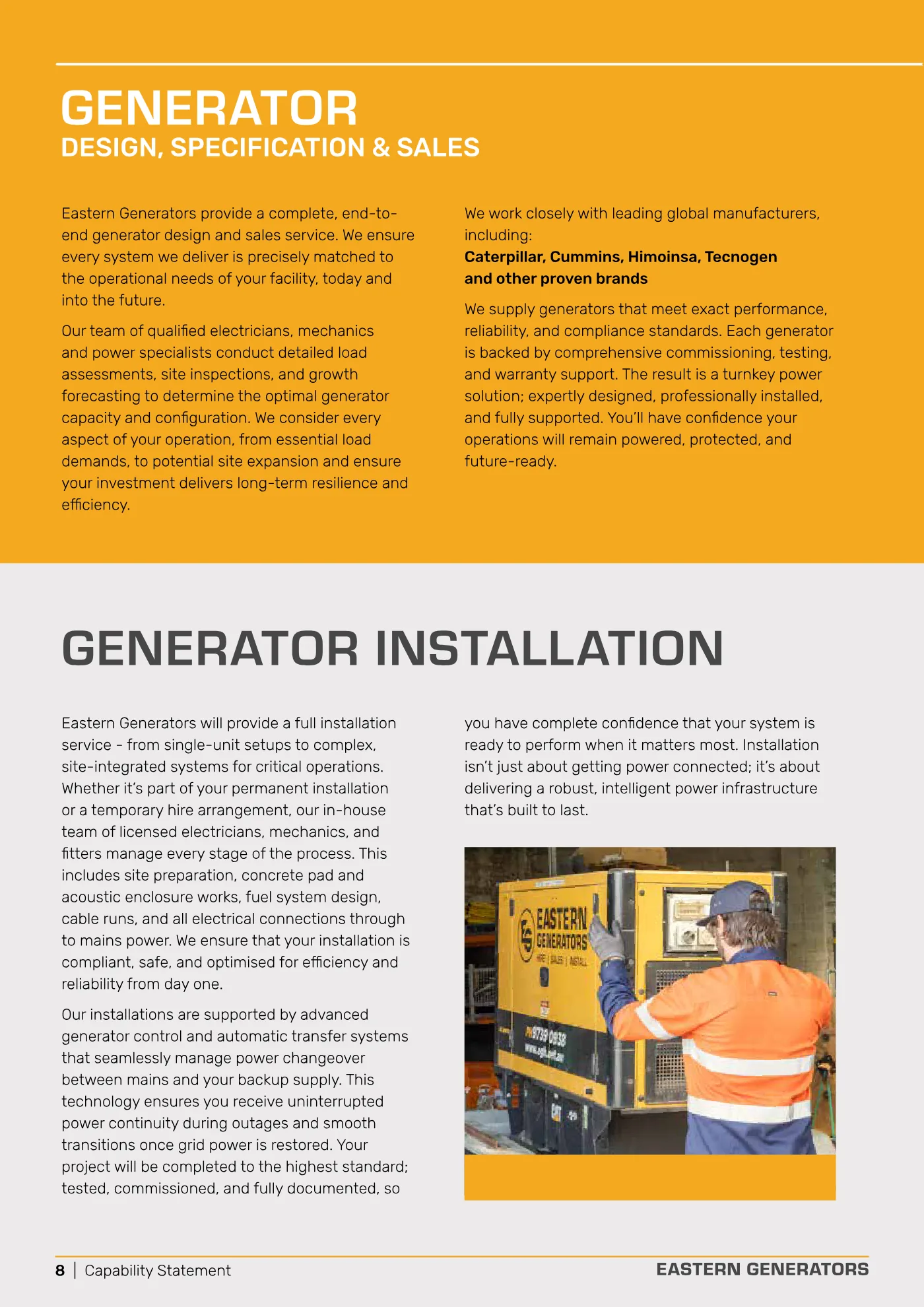
It lives on a prepared pad or in a plant room, connects through a manual or automatic changeover switch, draws from a proper fuel supply, and on an automatic installation starts, transfers the load and hands back without anyone attending. Sized correctly, it runs the whole site or a defined essential-services board for as long as there is fuel.
That capability is why it costs more, and it is not really comparable to a portable on price. You are buying an installation, not a machine.
What the install actually involves
Worth knowing before you budget: a standby set needs a level load-rated pad, cabling sized for the run, a changeover switch, fuel storage with bunding, exhaust and ventilation designed so nothing re-enters the building, and commissioning under real load. All the electrical work is licensed.
It also needs a maintenance program afterwards, because a standby generator that is never serviced is an expensive assumption. We cover that in detail in maintaining backup generators.
Which one you actually need
Ask what happens if the power is off for three days and nobody can attend. If the honest answer is "we lose stock, or trade, or compliance", you are looking at a standby installation. If the answer is "we move the crew to another task", a portable, or more often a hire, is the sensible spend.
That last point is worth making plainly: many commercial sites that start out pricing a portable purchase are better served by hiring the right size when they need it, because they get a properly sized machine, connected by an electrician, with fuel and servicing handled. If you do want to own one, we sell new and used sets and install them.