The idle machine problem
A backup generator is a strange asset. You buy it hoping it never earns its keep, then judge it entirely on a handful of minutes it might spend running per year. Everything that goes wrong with one goes wrong quietly, during the months when nobody is looking at it.
Sitting still is genuinely harder on a diesel engine than running is. Batteries self-discharge and sulphate. Fuel oxidises and grows water and microbial contamination. Seals dry out. Coolant loses its inhibitors. Rodents find the wiring loom appealing. None of that announces itself until the day you need the set.
What actually fails, in order
Across the fleets we hold maintenance contracts on, the failure list is remarkably consistent and remarkably unexciting.
- Batteries. Comfortably the number one cause of a standby set failing to start. Charge alone is not the test; capacity under cranking load is.
- Fuel. Diesel that has sat for a year or more, with water in the bottom of the tank and growth at the fuel-water interface, blocking filters as soon as the engine draws hard.
- Control and starting circuits. A controller left in the wrong mode after a test, a tripped charger breaker, a corroded connection.
- Coolant and belts. Not usually a no-start, but a shutdown twenty minutes into the outage, which is worse.
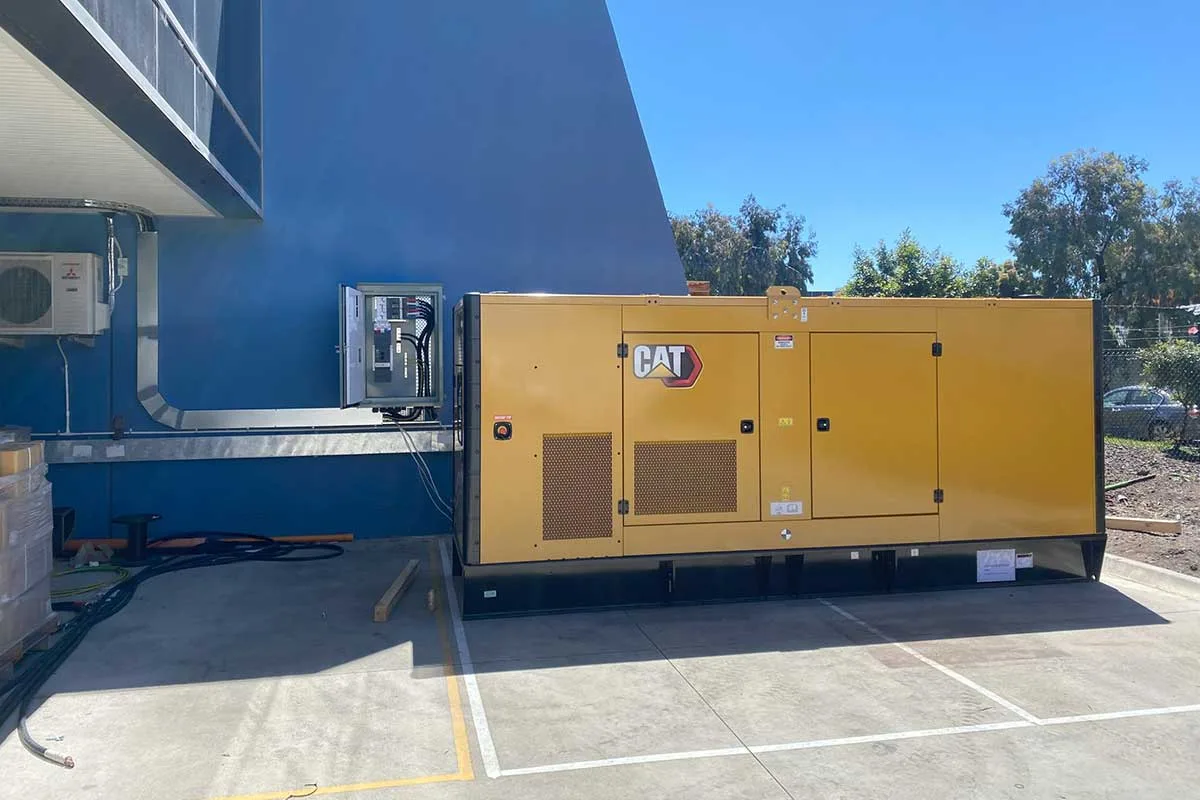
- The changeover. The generator starts perfectly and never picks up the load, because the transfer switch has not been exercised in years.
Notice how few of those are the engine itself. Maintenance on a standby set is mostly about the things around the engine.
Test starts are not load testing
Plenty of sites run a monthly test start, tick the box and consider the generator proven. It is worth being clear about what that test actually demonstrates: the battery had enough left to crank, and the engine ran. That is useful, and it is nowhere near enough.
Running unloaded or very lightly loaded also causes its own damage over time. A diesel that never reaches proper operating temperature and cylinder pressure wet-stacks: unburnt fuel and carbon build up in the exhaust and on the injectors and valves, and the engine slowly gets worse at the job it exists to do.
A load bank applies a real, measured electrical load so the set's behaviour is recorded under conditions close to a genuine outage. It is the only way to know that the machine will hold your load, at your site, before the outage tells you it will not.
Building a program that fits the site
A generator that sits idle most of the year needs different attention to one running regular test loads or carrying peak lopping duty. So the schedule should be built from the way the set is actually used and what the site loses if it does not start, not from a generic annual interval.
A well-built program usually has four parts:
- An asset audit first. Make, model, age, run hours, condition, and what the set is actually protecting.
- Scheduled visits. Mechanical and electrical checks, batteries, fluids, filters, and condition monitoring across the year.
- Periodic load-bank testing. Frequency set by criticality, and by how much real load the set ever sees in normal operation.
- Records you can hand to an auditor. A detailed report after every visit, because on most sites the generator is a documented part of the business continuity plan.
Who services it matters less than you think
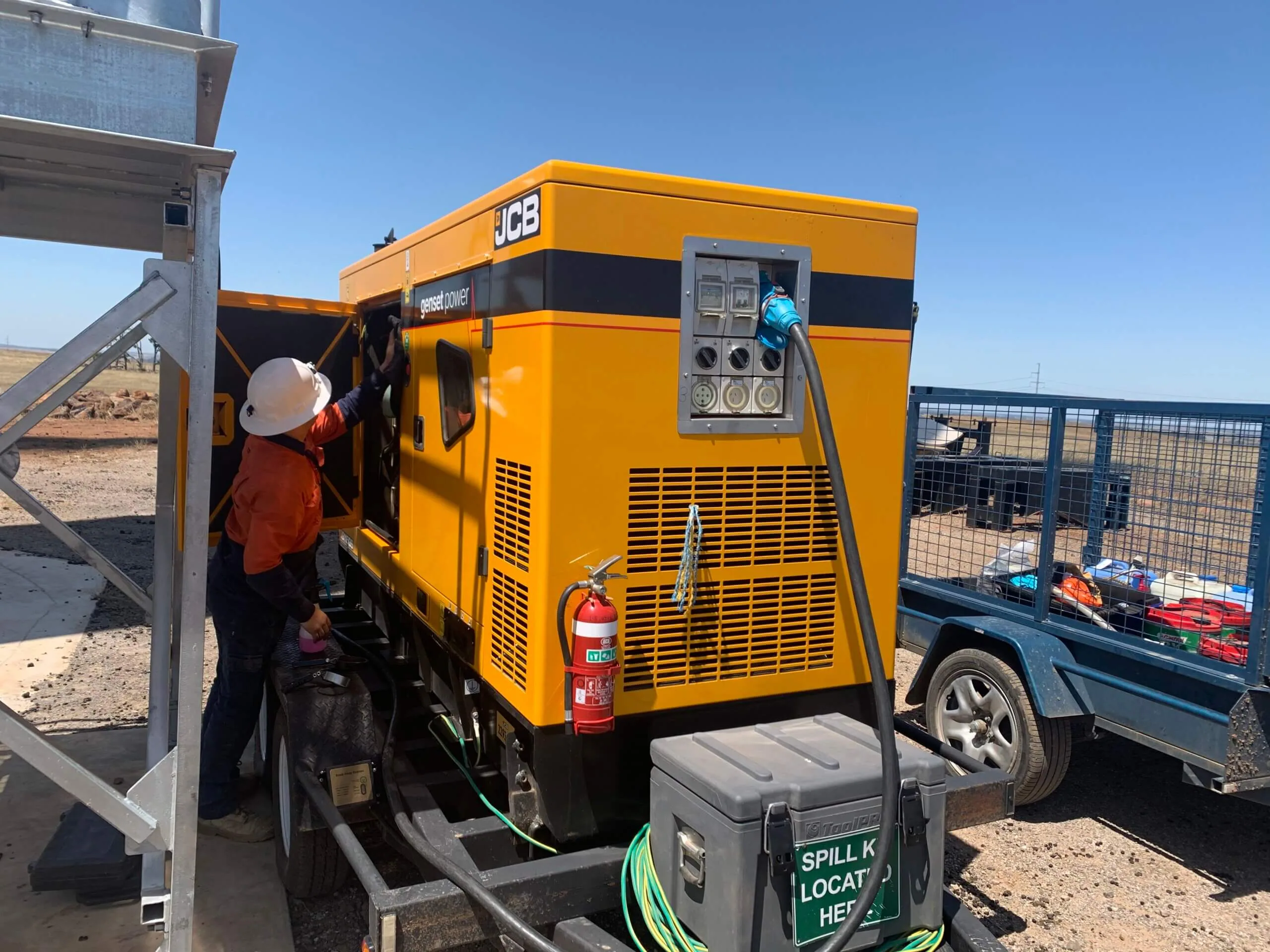
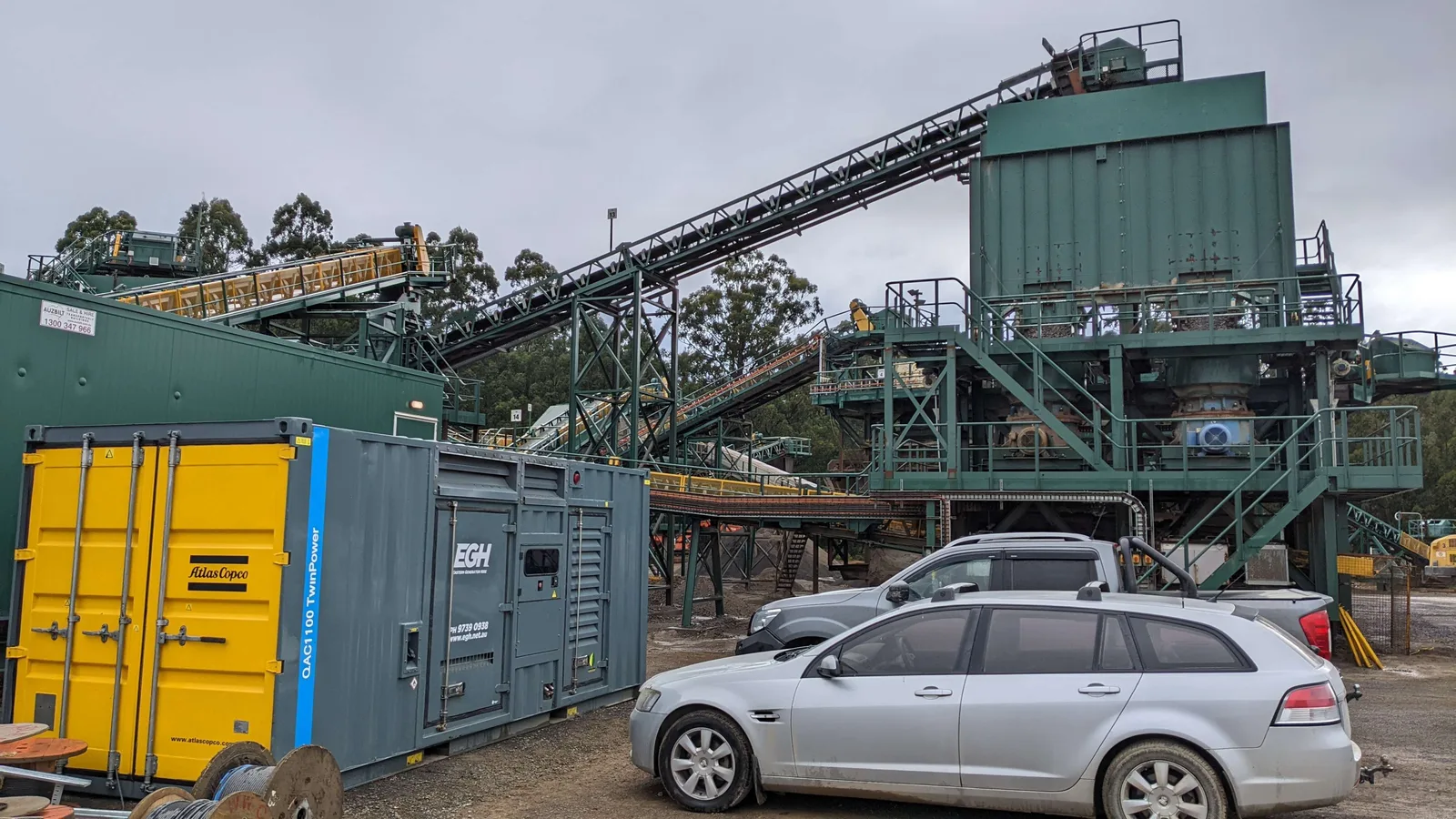
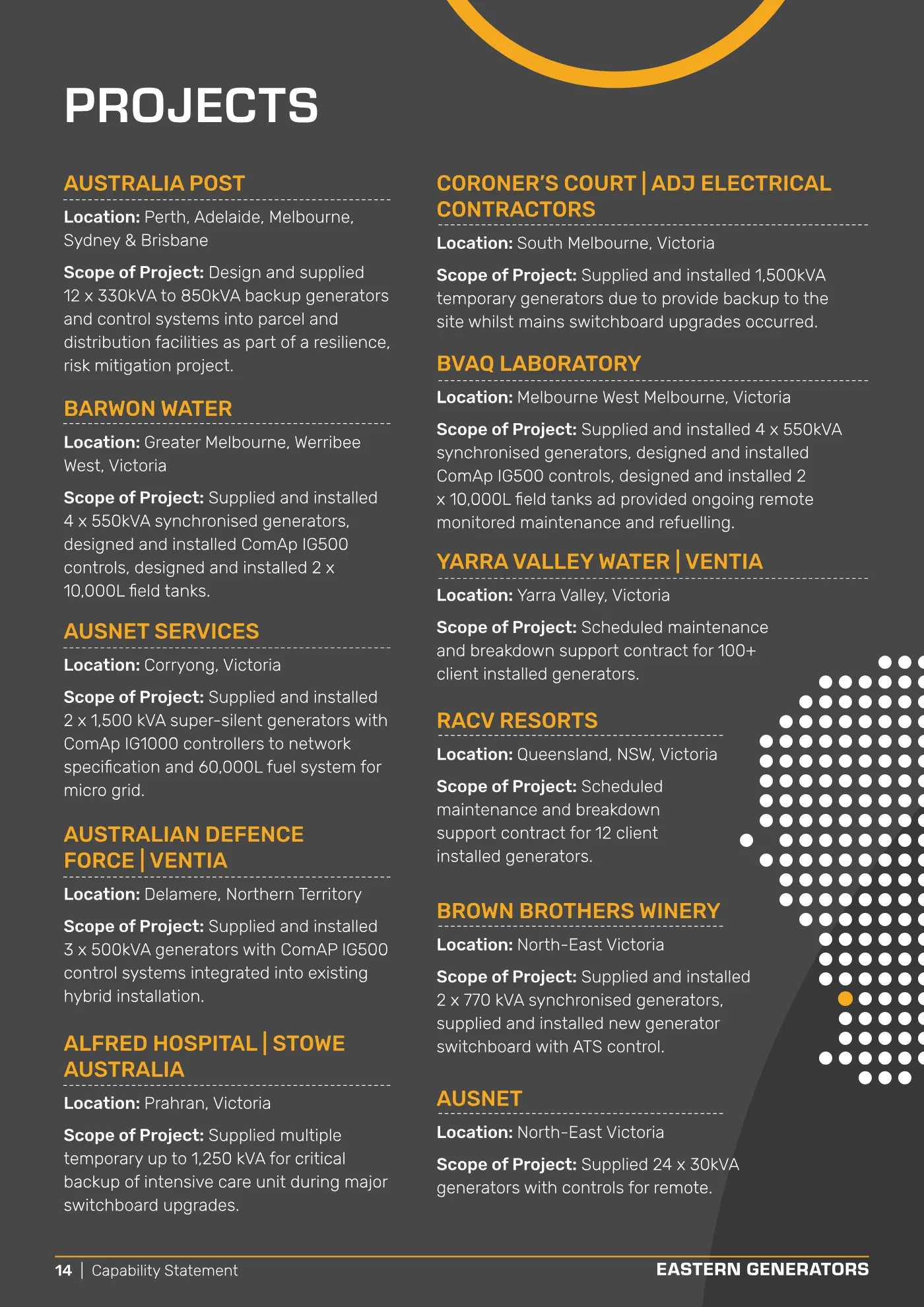
One thing that should not constrain you is the badge on the machine. We are vendor-agnostic, so brand is not a barrier: we hold maintenance and breakdown contracts covering large fleets of client-installed generators, including one covering more than 100 units that we did not supply.
What does matter is whether the people doing the work are in-house, whether they can attend a breakdown outside business hours, and whether the reporting is good enough to be evidence. Ours are, they can, and it is. That is what our servicing programs are built around, and it applies equally to backup generators we supplied and ones we did not.