Read the noise spec properly
Every acoustic generator claim has two halves, and suppliers quite often quote only the flattering one. A figure like "62dB" is meaningless on its own. At what distance? Under what load?
The standard reference points in this industry are 1 metre, 7 metres and 10 metres, and the same machine will produce very different numbers at each. If you are comparing two quotes and only one states a distance, you are not comparing anything yet.
Load matters too. A set measured at no load will read lower than the same set carrying 75 percent of its rating, which is where it will actually spend your job.
How decibels actually behave
Decibels are logarithmic, which makes them unintuitive. Two useful rules of thumb.
- Distance. In open air, doubling the distance from the source drops the level by roughly 6dB. A set at 66dB at 7 metres is around 60dB at 14 metres.
- Perception. A 10dB reduction is heard as roughly half as loud. A 3dB difference between two quotes is real but marginal; a 10dB difference is a different machine entirely.
For context, a normal conversation sits around 60dB at a metre or two. Our super-silent builds run below 60dB at 7 metres, which is why they can sit outside occupied buildings and behind residential fences without becoming the story.
Where the noise rating decides the job
Some sites treat acoustics as a nice-to-have. On others it is the binding constraint, and specifying the wrong machine means the job stops.
- Residential-adjacent construction. Council permits and out-of-hours work conditions often set a hard limit at the boundary.
- Hospitals, aged care and schools. Where the people nearby cannot simply move away from it.
- Events. Where the generator has to disappear behind the programme, not compete with it.
- Hotels, offices and retail. Where the point of the backup supply is that customers never notice anything happened.
- Night works. Where ambient noise is low, so the same machine sounds far more intrusive than it does at midday.
Beyond the canopy
The acoustic canopy does the heavy lifting, but a surprising amount of the final result on site comes down to decisions made on the day.
- Placement. Distance is free attenuation. Every doubling of the gap to the sensitive boundary is worth about 6dB.
- Hard surfaces. A set tucked into a corner between two masonry walls will reflect sound back out rather than absorbing it.
- Exhaust direction. Point the exhaust and the radiator discharge away from the boundary that matters.
- Correct sizing. A set running comfortably within its rating is quieter than a small one working hard. Undersizing is an acoustic problem as well as an electrical one.
- Screening. A solid barrier that breaks the line of sight between the machine and the receiver is worth real decibels.
What you trade for quiet
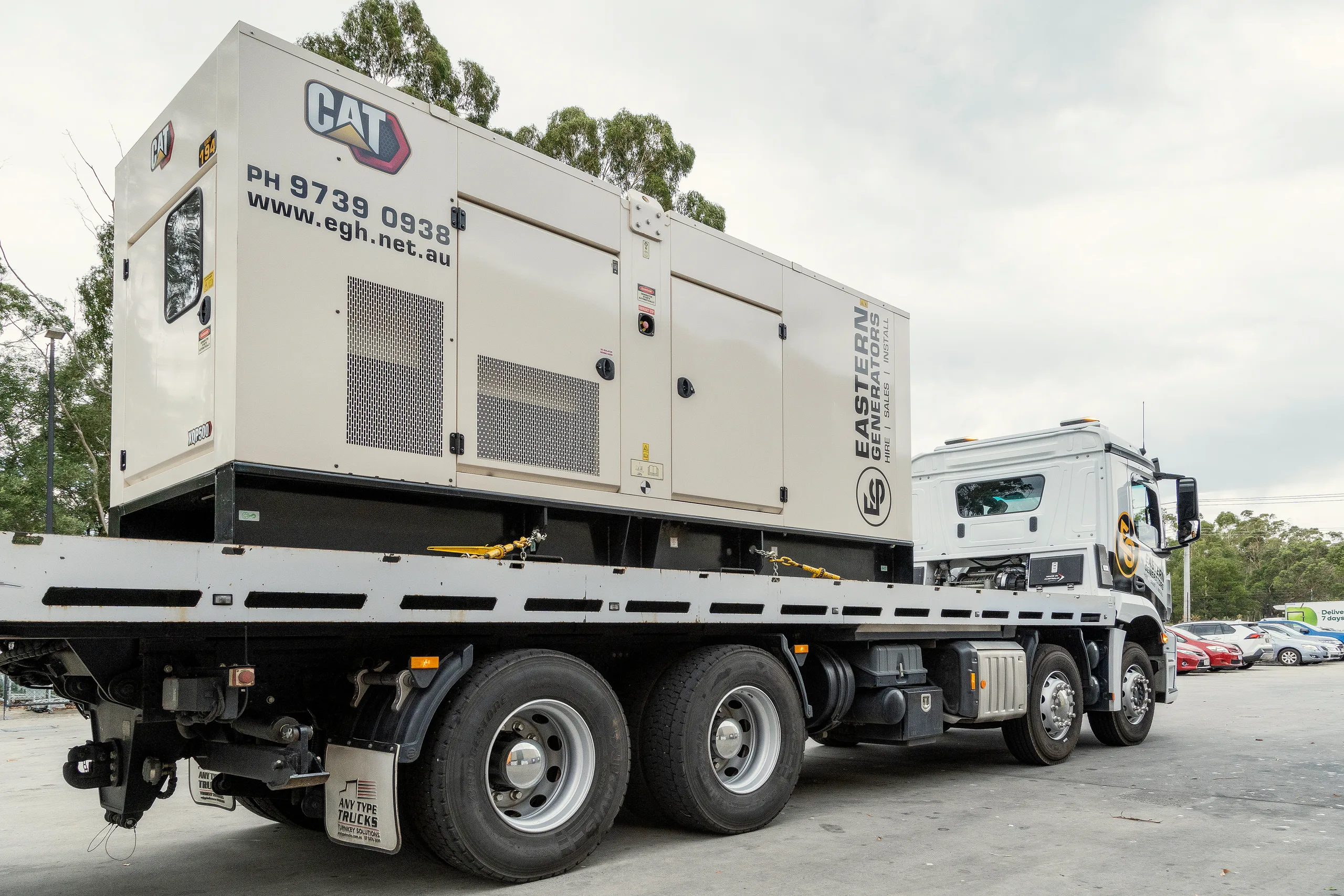
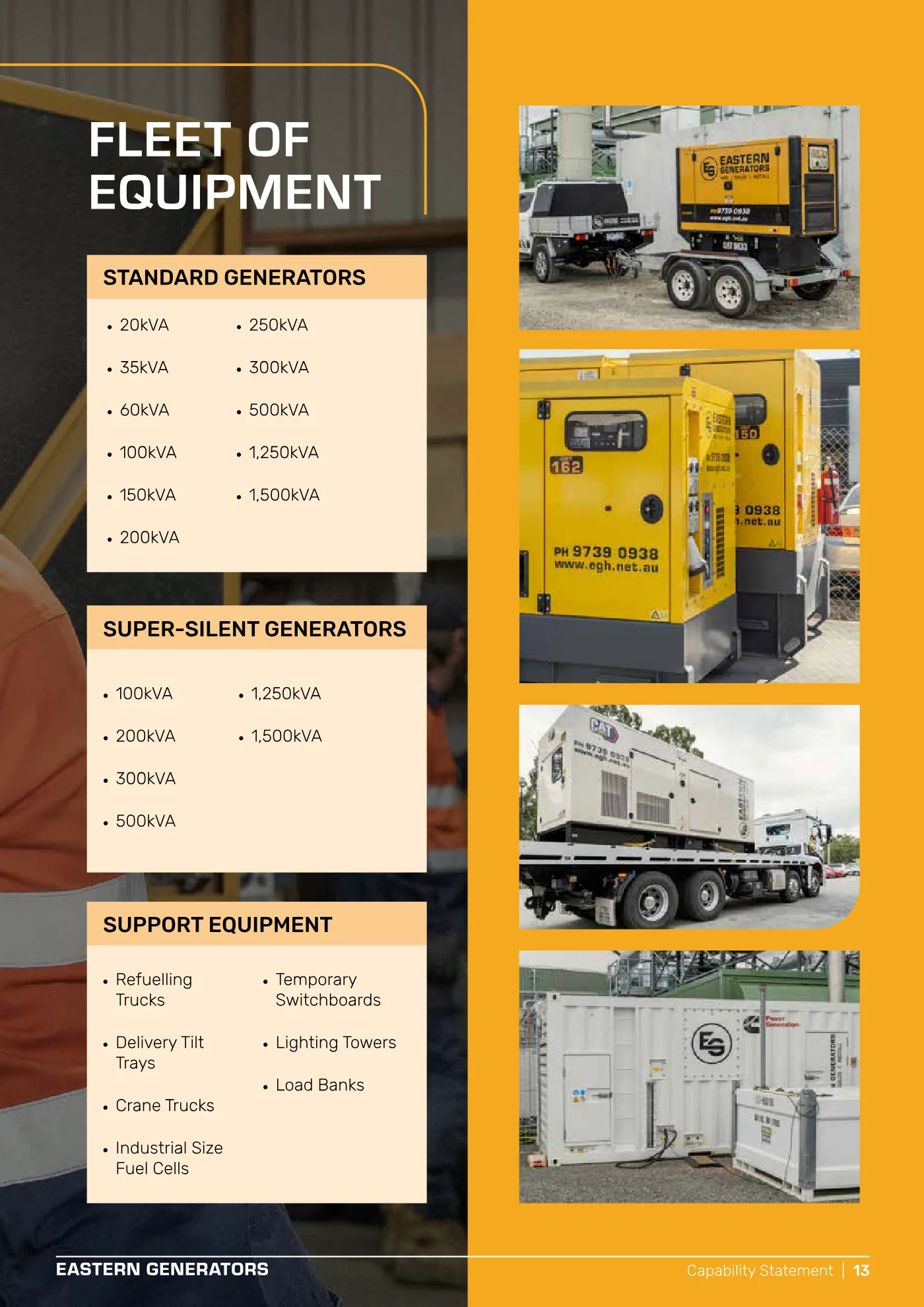
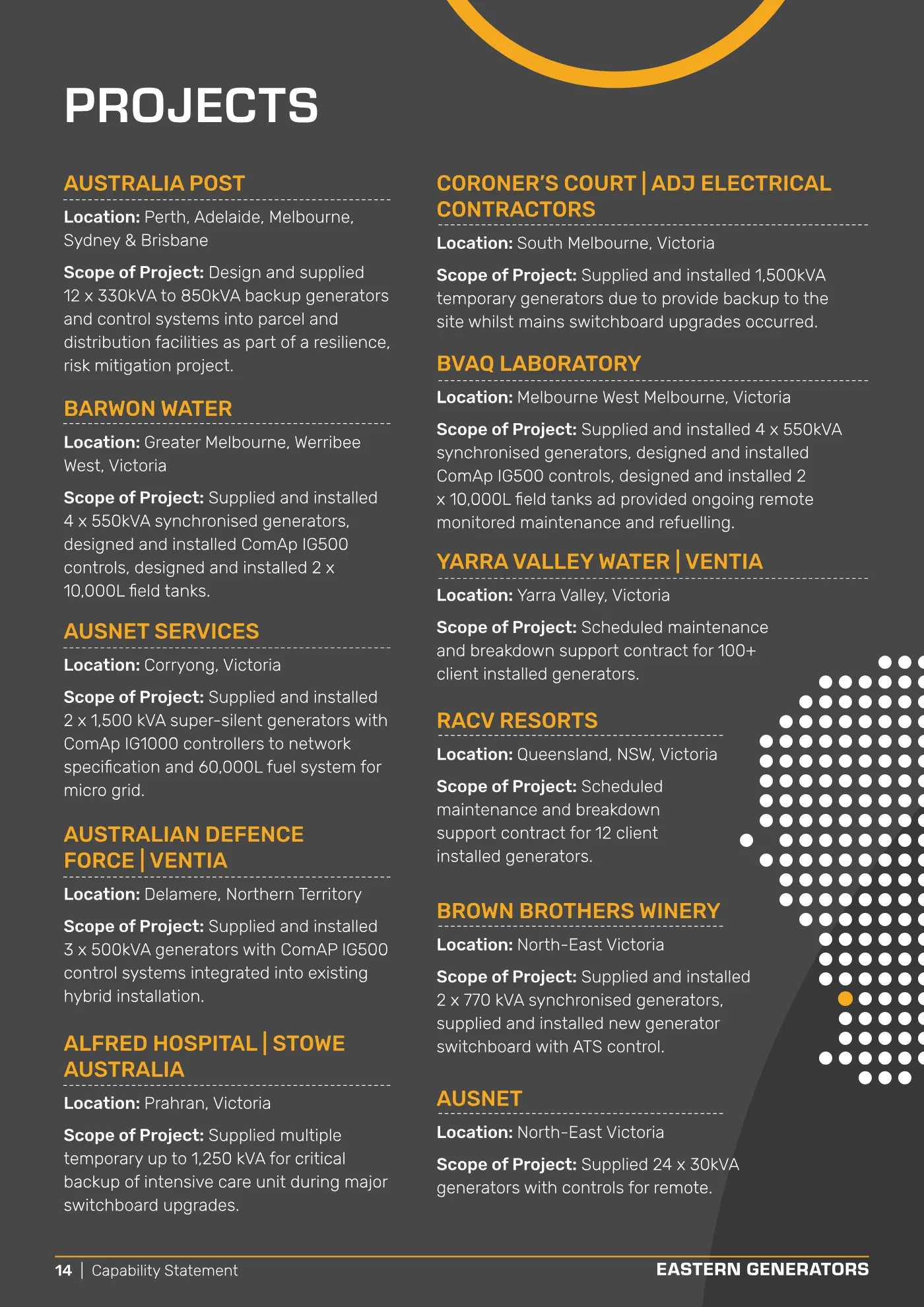
Being straight about it: a super-silent build is physically larger and heavier than the equivalent open or standard-canopy set, because the attenuation has to go somewhere. That can matter for access, crane capacity and footprint on a tight site.
What you do not trade is capability. Our super-silent builds cover the working half of the hire fleet, 100kVA – 1500kVA, and above 100kVA they can be synchronised in parallel for redundancy without adding noise. See the full range on our silent generators page, or tell us the boundary limit you have been given and we will spec to it.