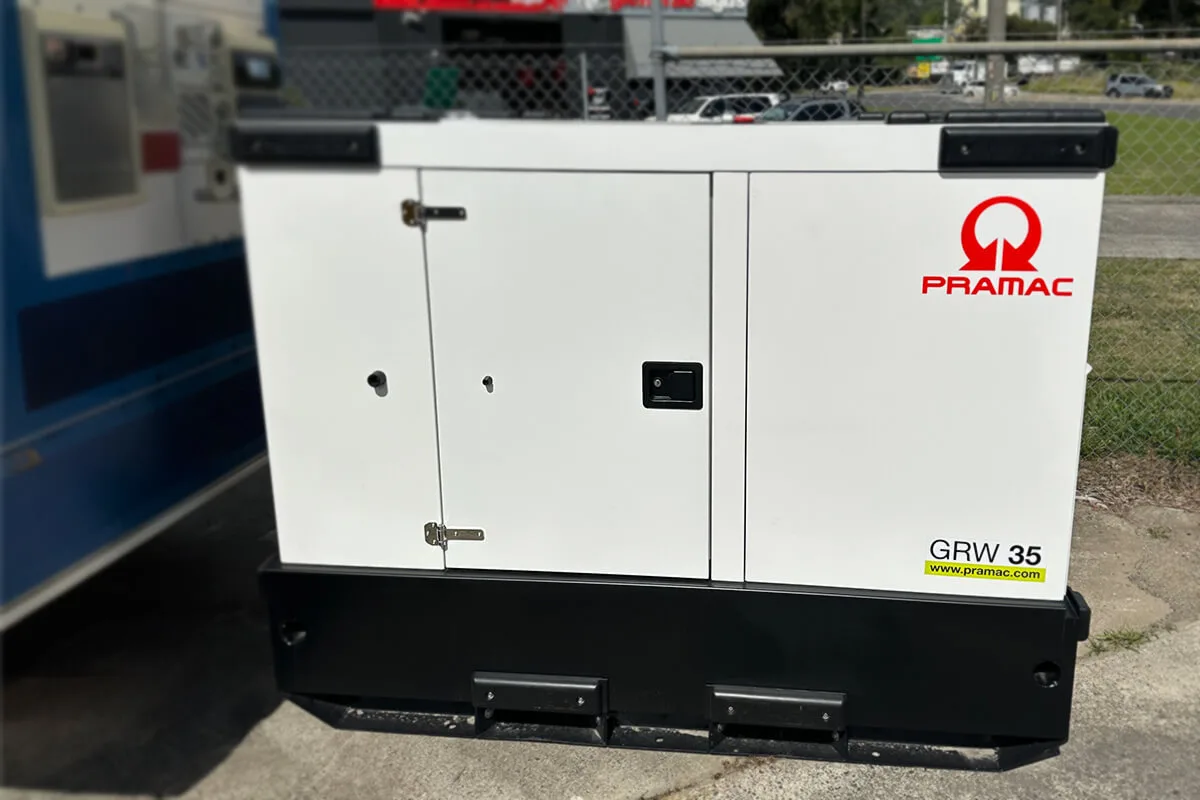
Delivery, placement and connection
Getting the machine to site is the obvious part. Getting it into the right position and connected is where hire suppliers differ.
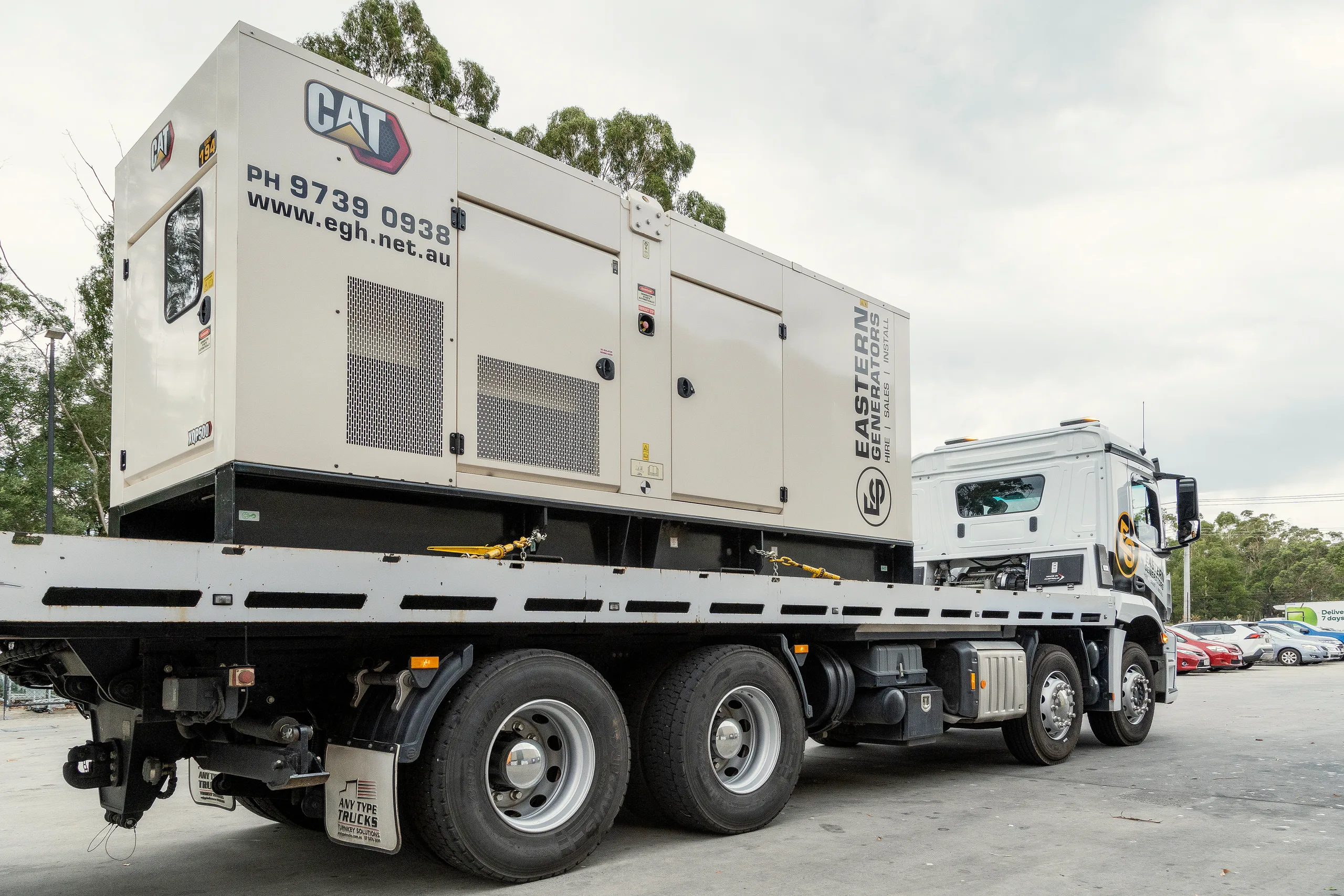
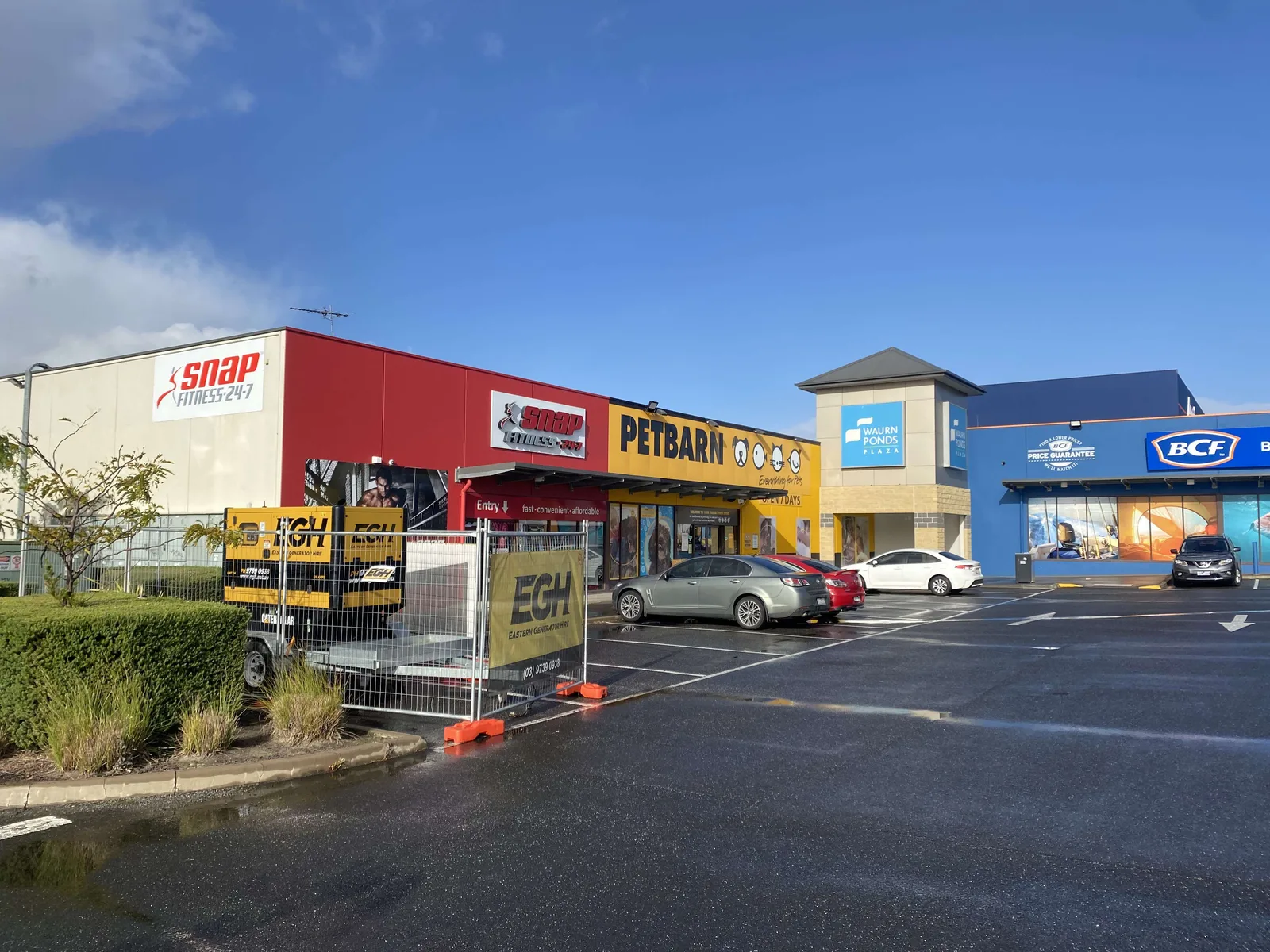
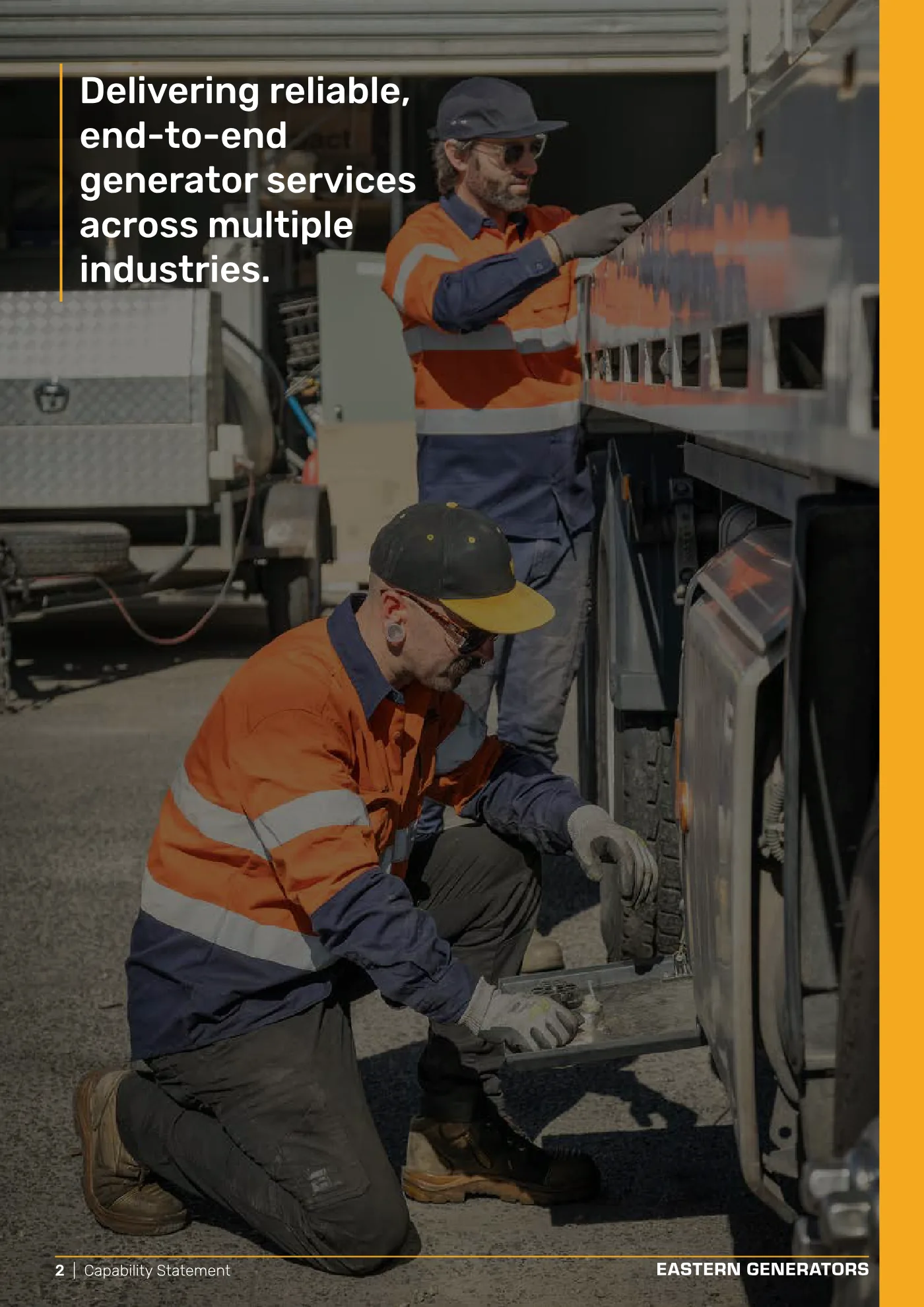
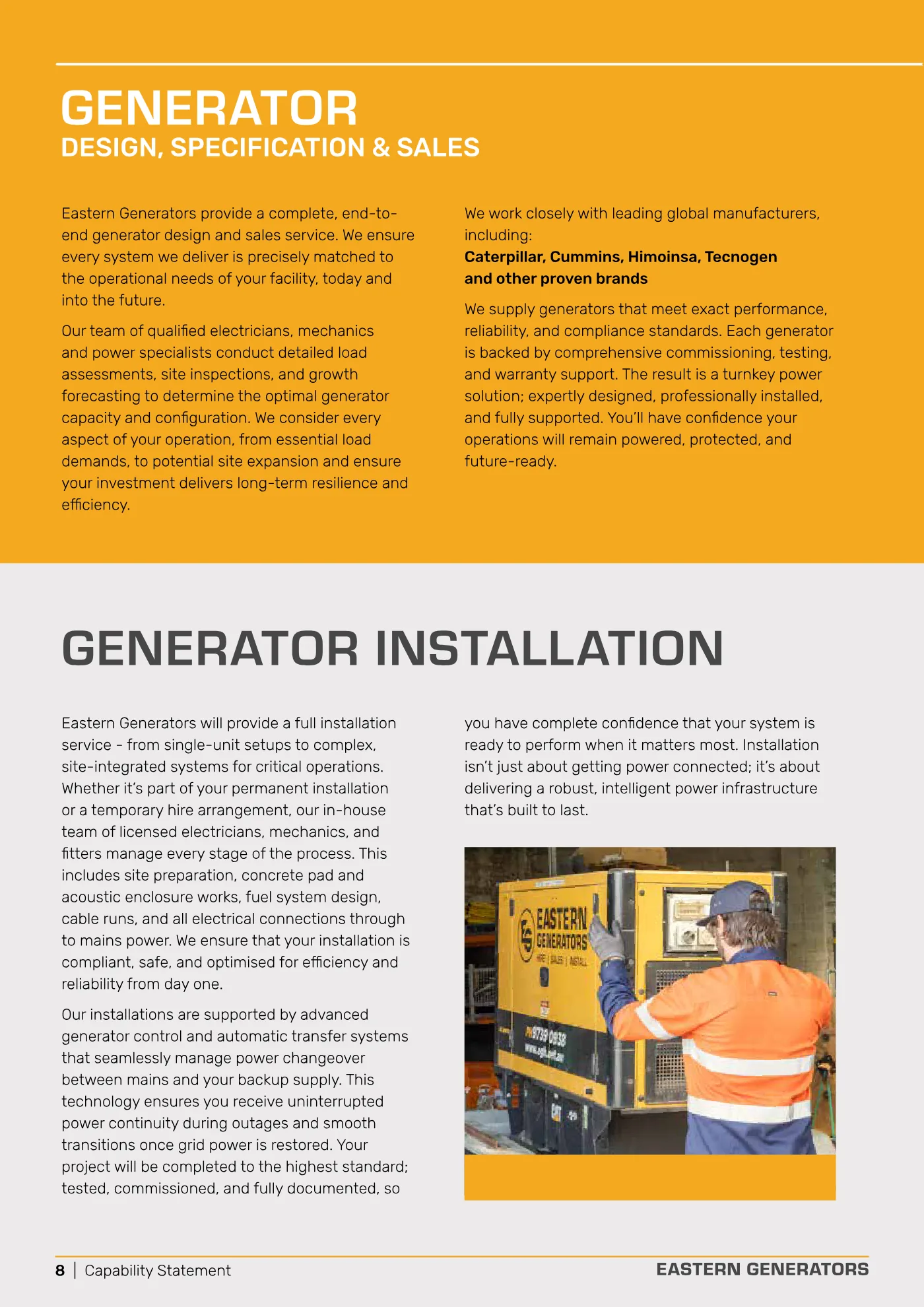
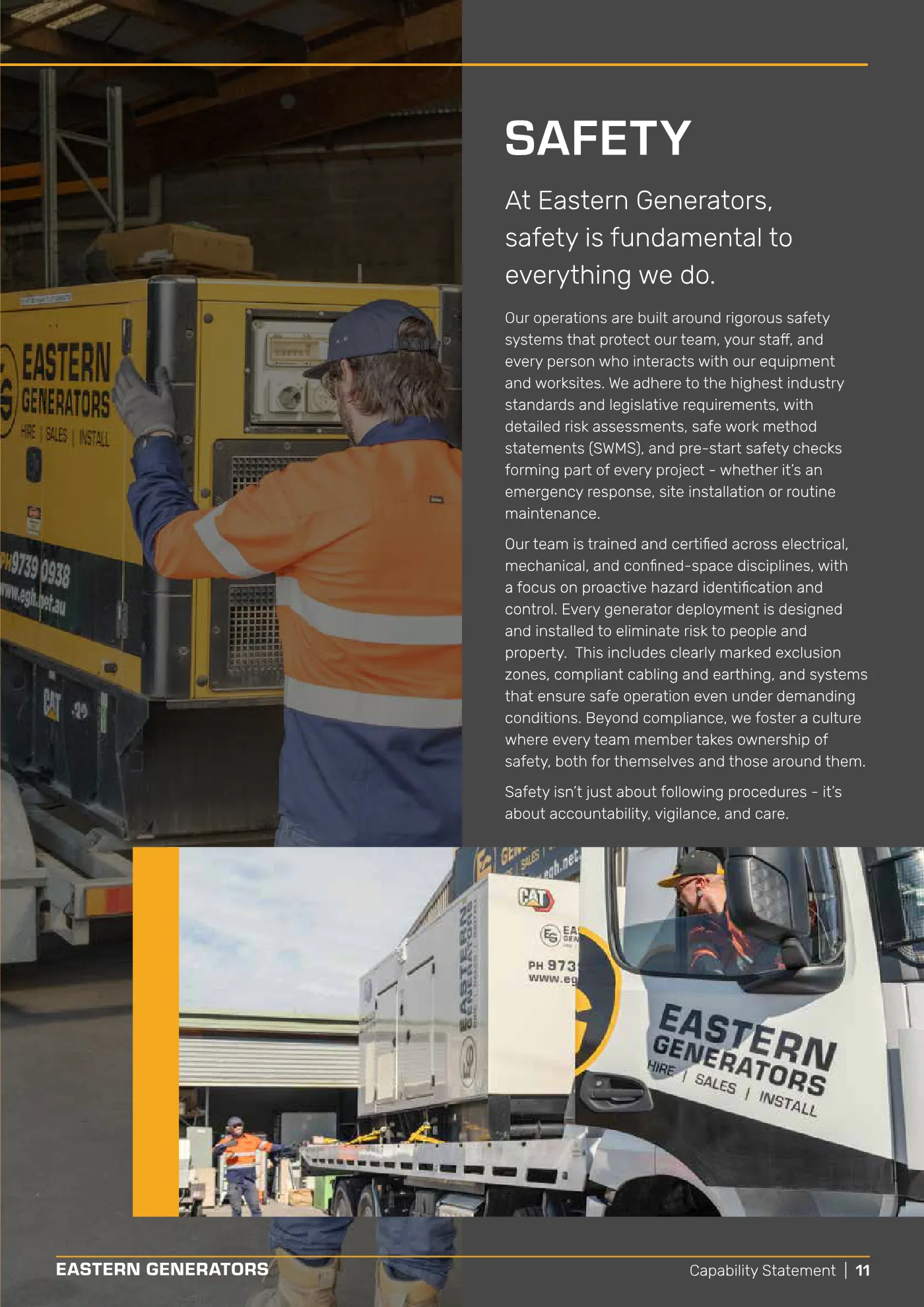
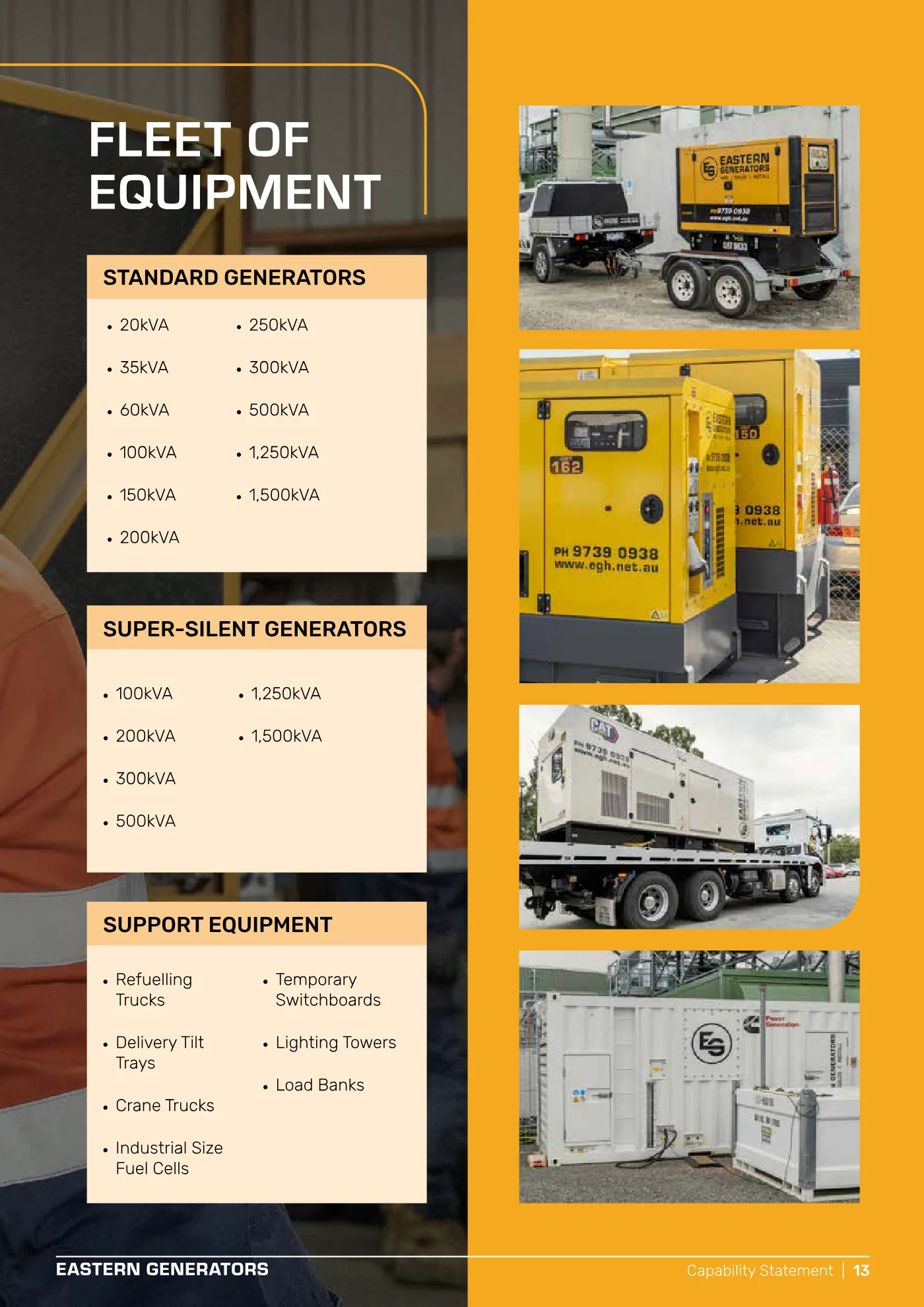
We deliver on our own trucks, which means the driver understands what is on the back and can place it properly rather than leaving it wherever the tray tips. Position matters more than people expect: distance from the switchroom sets your cable cost, distance from the boundary sets your noise result, and access decides whether a service technician can reach it later.
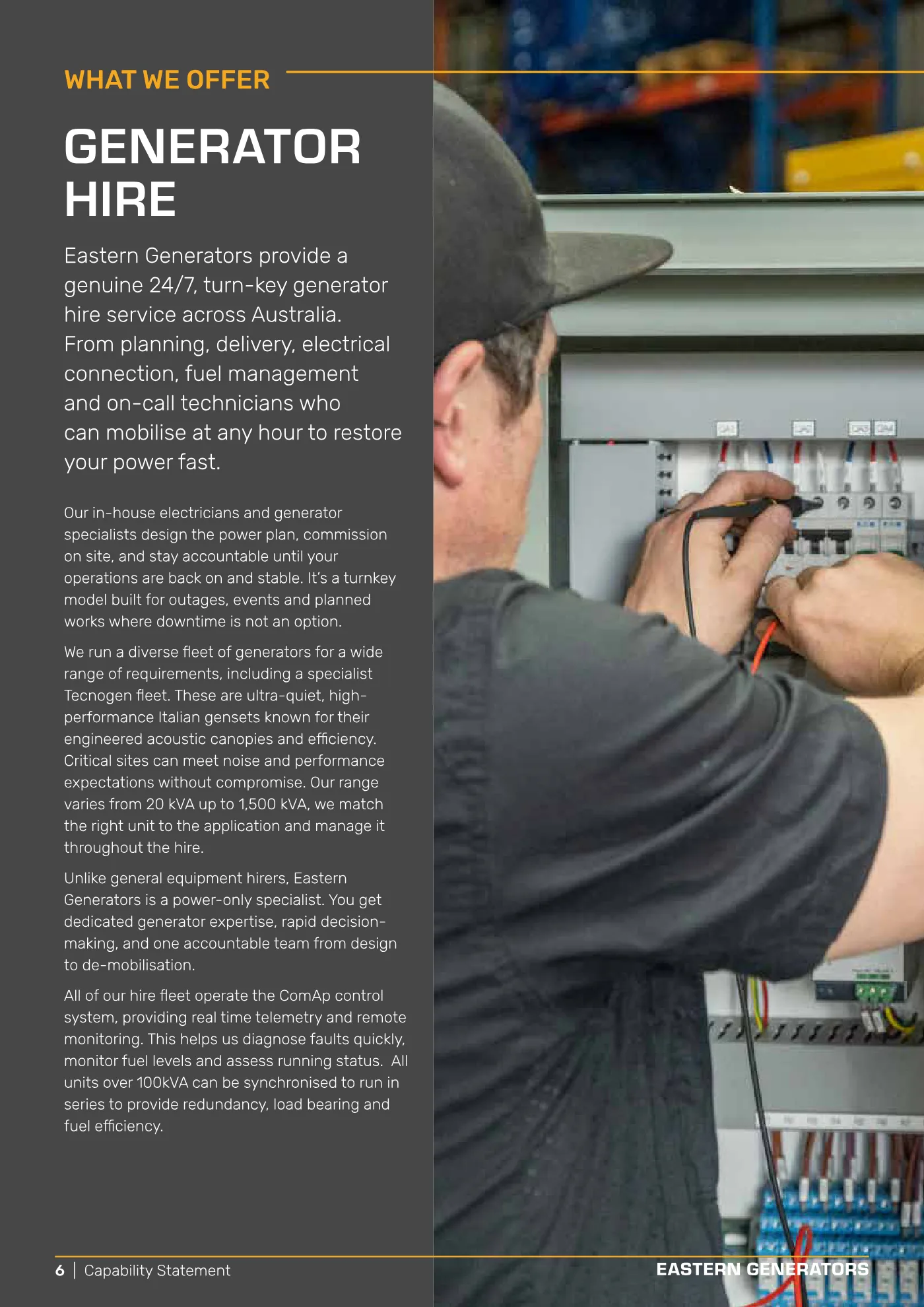
Connection is licensed electrical work. Our in-house electricians terminate the set, whether that is into an existing generator inlet, a changeover switch or a temporary connection made at the main switchboard.
Fuel, and who is responsible for it
This is the single most useful question to ask a hire supplier: who manages the fuel?
A generator arrives with a full tank, and on a short job that may be the end of it. On anything longer, somebody has to watch the level and top it up before it runs dry. If that somebody is your site supervisor, the hire is cheaper on paper and considerably more expensive in practice.
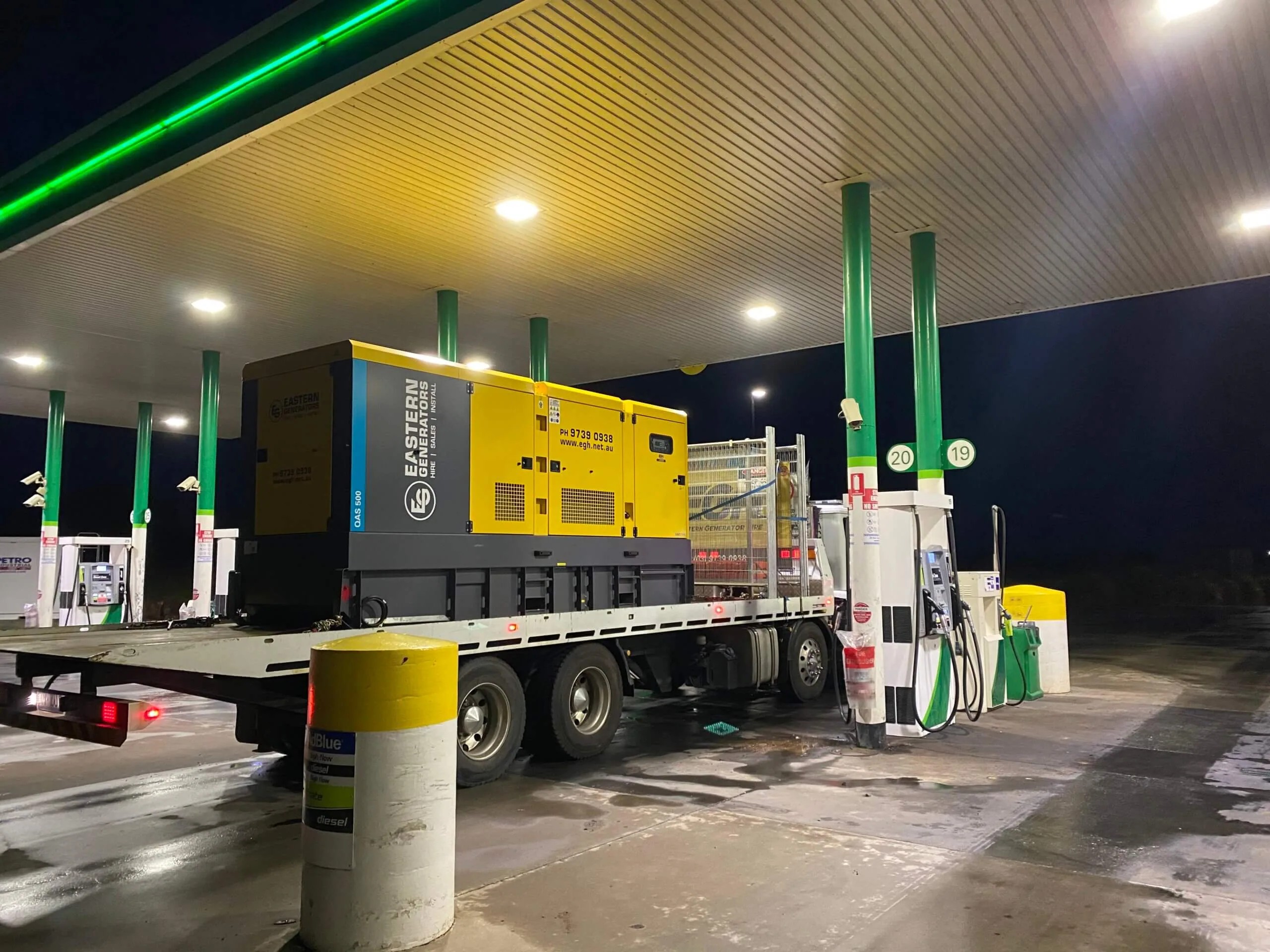
We supply bunded fuel cells up to 60,000L and run scheduled and on-call refuelling from our own trucks, so the tank is monitored and filled without anyone on your team thinking about it.
Servicing while it is on hire
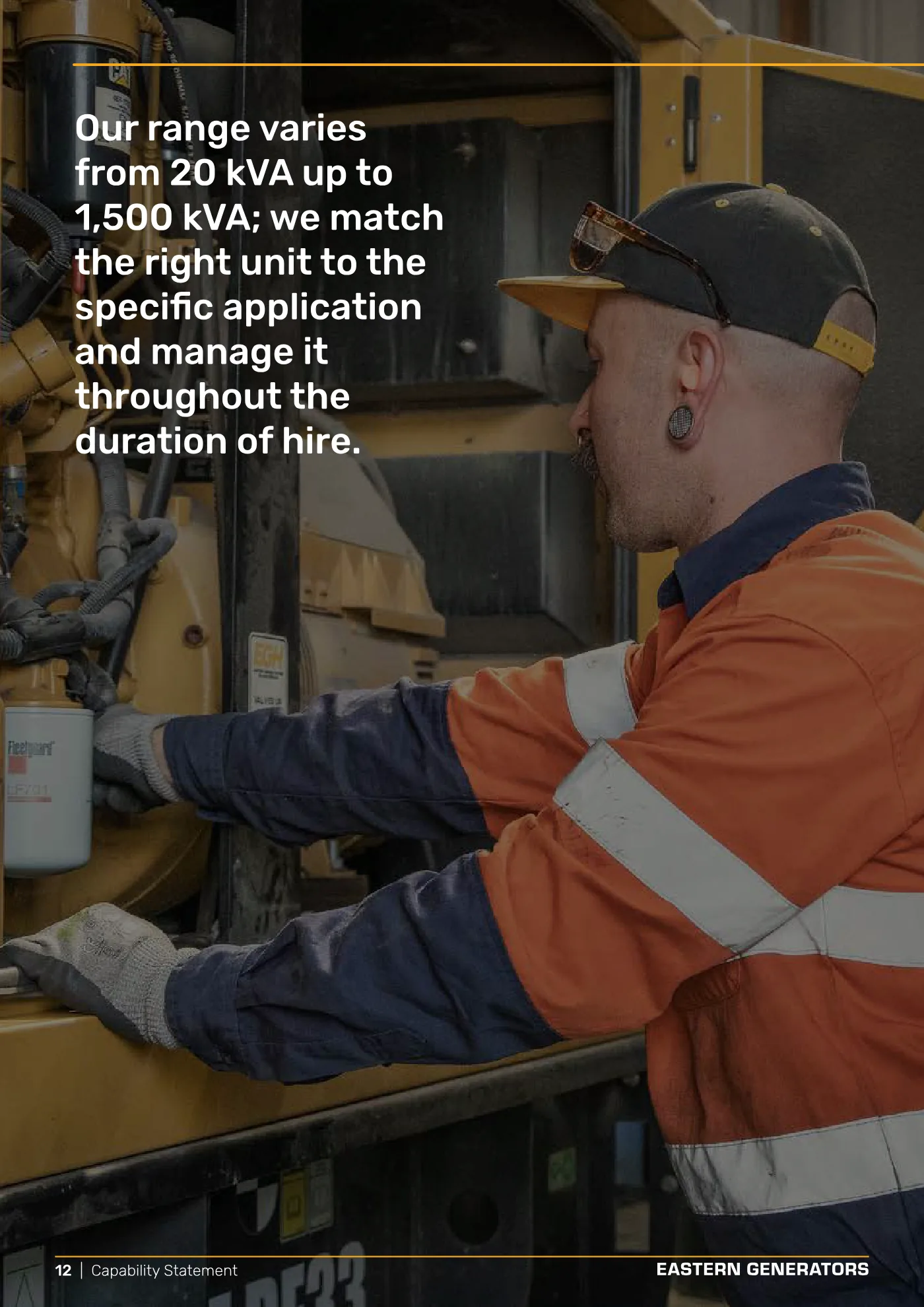
A generator on a long hire is a working engine accumulating run hours, and it needs servicing on the same basis as one you own. On a hire that is our cost and our schedule, which is a genuine part of the value.
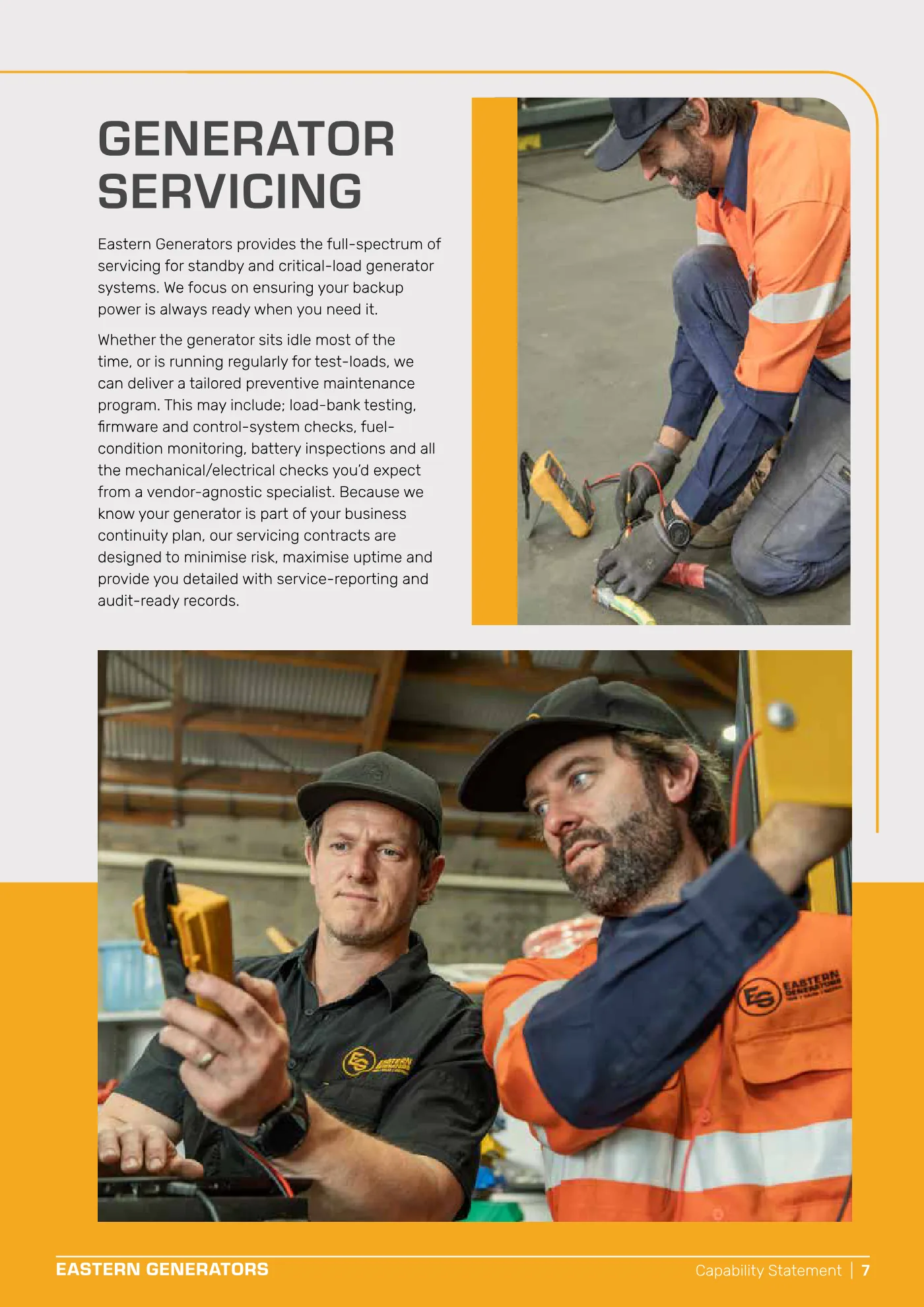
Scheduled visits during the hire cover the usual: oil and filters at interval, coolant, batteries, belts and a general condition check. If the set is carrying a critical load we will also talk to you about periodic load verification rather than assuming it is fine because it has not stopped.
Breakdown cover, at any hour
Machines fail. What you are really buying is the response when one does.
Our team is on call 24 hours per day, 7 days per week, with in-house electricians and mechanics rather than a subcontracted after-hours service. On a critical site we can put a second set alongside for redundancy, so a fault becomes an inconvenience rather than an outage.
Worth confirming with any supplier: is the after-hours number answered by the people who will actually attend, and do they hold the fleet to swap a unit if yours cannot be repaired on site?
Cable, distribution and the rest of the kit
A generator on its own powers nothing. The gear between it and your equipment is where a thin quote turns into a series of phone calls.
- Load cable sized and rated for the run, with the right terminations at both ends.
- Distribution boards and cubes to split the supply safely to where it is needed, in single and three phase.
- Cable ramps and covers where leads cross pedestrian or vehicle routes.
- Fuel cells for long runs, bunded and compliant.
- Lighting towers where the work continues after dark.
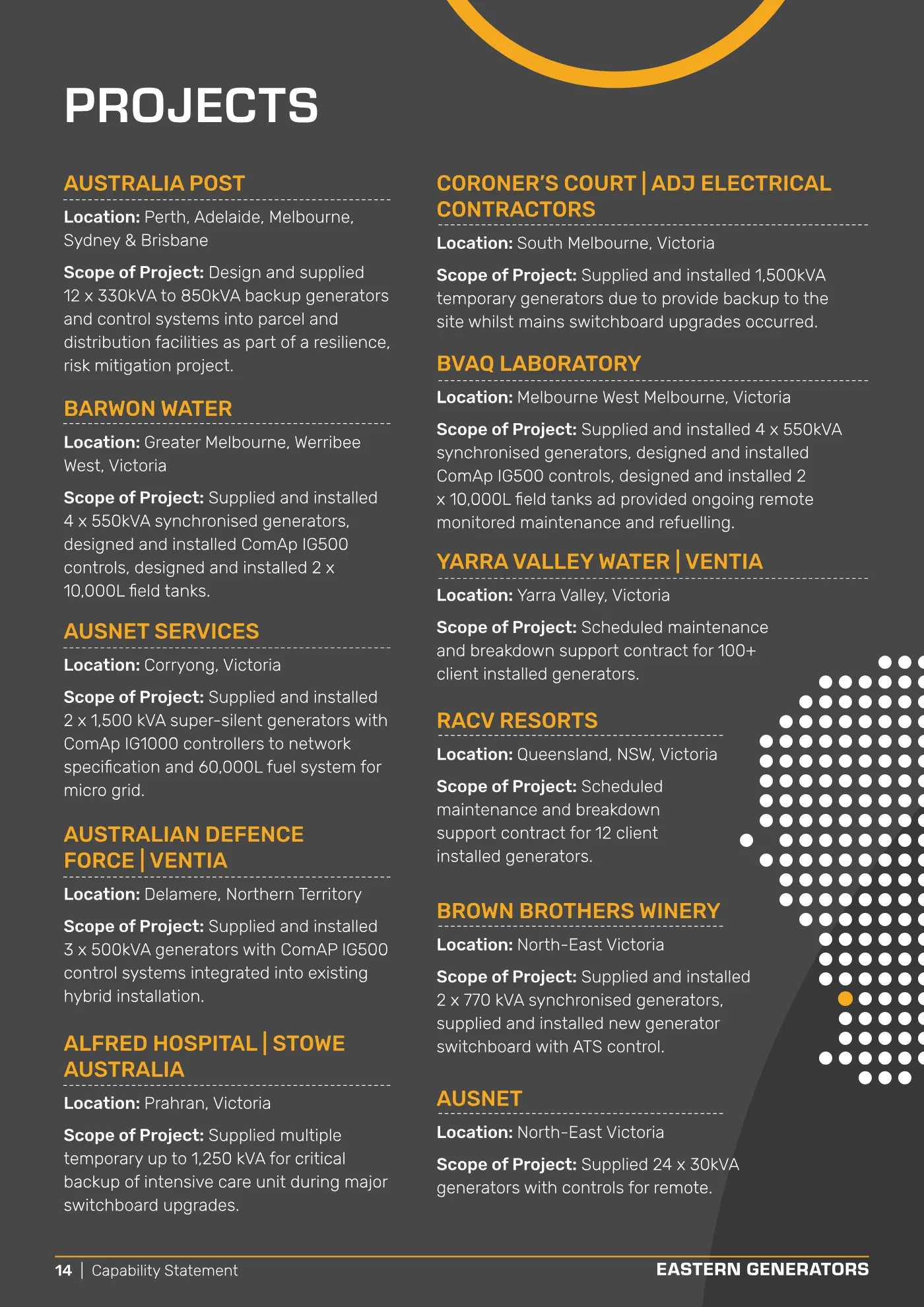
We hire the accessories alongside the set so it arrives as one package from one supplier, on one delivery.
Off-hire and pickup
The end of the job should be one phone call. We disconnect, load out and take the equipment away, and the hire stops when the gear leaves rather than when the paperwork catches up.
If the job extends, that is usually straightforward too. Hire terms that flex are half the reason people hire in the first place, so if a supplier makes an extension difficult, that tells you something about how the rest of the relationship will go. See what the hire fleet covers, or ring us and describe the job.